Performance Improvement Plan (PIP): A Guide for Employees
Introduction
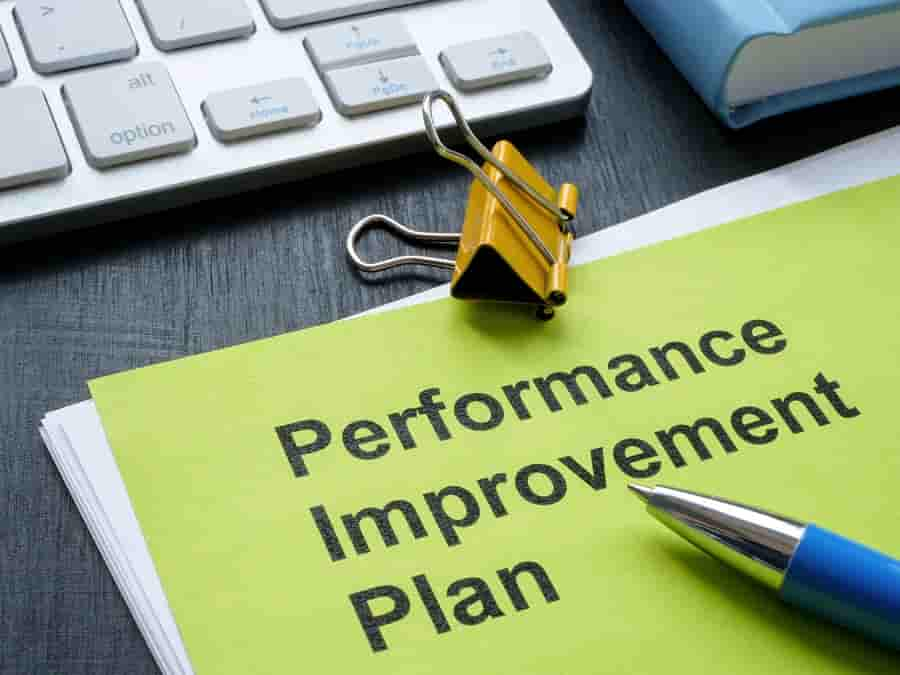
A Performance Improvement Plan (PIP) is a formal document outlining areas of an employee’s performance that need improvement. It’s a tool employers use to provide clear feedback and guidance to help the employee get back on track. If you’ve been placed on a PIP, it’s natural to feel concerned, but with the right approach, you can use it as an opportunity for growth.
Understanding the Purpose of a PIP:
- Feedback and Clarity: A PIP provides clear feedback about areas where your performance needs to improve. It’s a roadmap for success, rather than a disciplinary tool.
- Support and Resources: Along with highlighting areas for improvement, a PIP often outlines resources and support available to help you succeed.
- Documentation: It helps employers maintain a record of performance discussions. This can be useful for future reference.
How to Successfully Navigate a PIP:
- Stay Calm and Open-Minded: It’s easy to feel defensive or upset when faced with criticism, but it’s crucial to approach the PIP with an open mind. See it as a chance to grow, rather than a negative judgment.
- Seek Clarification: If any part of the PIP is unclear, ask your manager for clarification. Ensure you fully understand what is expected of you and the metrics by which your performance will be measured.
- Develop a Plan: Break down the areas of improvement into manageable tasks. Set small goals for yourself and track your progress.
- Leverage Available Resources: Whether it’s training, coaching, or mentoring, utilize the resources your organization has made available to you.
- Regular Check-ins: Don’t wait for the PIP period to end for feedback. Schedule regular check-ins with your manager to discuss your progress and address any concerns.
- Stay Proactive: If you encounter challenges or obstacles, communicate them to your manager and seek solutions.
- Maintain a Positive Attitude: Your mindset plays a significant role in how you navigate this process. Focus on growth and view the PIP as an opportunity to refine your skills.
- Document Everything: Keep a record of your achievements, tasks completed, trainings attended, and any correspondence related to the PIP. This will be useful for any discussions or reviews.
- Seek Support: Whether it’s through colleagues, mentors, or external support groups, surround yourself with positive influences who can provide guidance and encouragement.
- Reflect on Feedback: Take some time to introspect on the feedback provided, and think about how you can incorporate it into your work habits.
Potential Outcomes:
- Successful Completion: Meeting or exceeding the expectations outlined in the PIP can lead to the conclusion of the plan, and acknowledgment of your improved performance.
- Extension: In some cases, if progress is made but goals are not entirely met, the PIP might be extended to give more time for improvement.
- Further Action: If the expectations are not met, it could lead to further disciplinary actions, up to and including termination.
Final Thoughts:
Being placed on a PIP can be daunting, but with the right mindset and approach, you can turn it into a constructive experience. Remember, everyone faces challenges in their career. What defines us is how we rise to meet them. Embrace the opportunity for growth, lean into the resources provided, and strive for continuous improvement.
Frequently Asked Questions
A performance improvement plan outlines areas of concern and steps to improve performance. It provides structure and clarity for both worker and employer.
A PIP is used when performance falls short of workplace expectations. Employers must clearly explain their concerns and the goals to be achieved.
PIPs typically last between one and three months depending on circumstances. Workers should be given enough time to demonstrate improvement.
Workers may challenge unreasonable or unclear PIPs. Concerns should be raised promptly with supporting evidence.
Employers should offer guidance, training, and regular feedback during a PIP. This helps ensure fairness and a genuine opportunity to improve.
Successfully meeting the targets should result in the PIP being concluded. Workers should receive confirmation and continue in their role.
The Workers Union supports workers who face performance concerns. Guidance is provided to ensure the process is fair and transparent.

I want to join
Join us today – it’s easy!
You’re just a few clicks away from investing in a better future for working people

I’m a member
All the support and advice you need
Log in to your account. Full access to your resources, contacts, personal dashboard, and instant advice.