Know Your Rights At Work
The Know Your Rights At Work page from The Workers Union – A Union for UK Workers, brings together essential guidance for UK workers in one place. It covers the 10 rights of employees in the UK, alongside broader explanations of workers’ rights and how to know your employment rights in real workplace situations. It includes clear information on statutory rights and Statutory Sick Pay (SSP), helping workers understand key entitlements. More complex areas such as TUPE transfers are explained, along with guidance on parental leave and family rights. It also outlines protections during employee suspension, ensuring workers understand their position during workplace investigations.

10 Key Rights of UK Employees
This page outlines the 10 key legal protections every individual should understand, including pay, working conditions, discrimination safeguards, and fair treatment at work. It provides a clear, practical overview of core entitlements and how they apply in everyday workplace situations.
Understanding these rights is crucial for both employees and employers to maintain a harmonious and legally compliant workplace. Here, we delve into the “10 rights of employees UK“, providing insights that are essential for navigating the complexities of employment law.

Workers Employment Rights in the UK
This page explains the full scope of workplace protections, including pay, discrimination, safety, and legal working eligibility, alongside how rights apply across different employment situations. It provides practical guidance on right-to-work checks, legal requirements, and how workplace rules evolve, helping individuals understand both their entitlements and employer obligations.
Understanding workers’ rights in the UK is crucial for both employees and employers to foster a harmonious and productive workplace.

Employment Rights of UK Workers
This page explains core legal entitlements covering working hours, rest breaks, leave, discrimination protection, and dismissal rights, helping individuals understand how employment law applies in practice. It provides clear guidance on workplace standards, notice periods, and what steps to take if employment rights are not being followed.
Every worker in the UK deserves clarity, confidence and control when it comes to their rights at work.
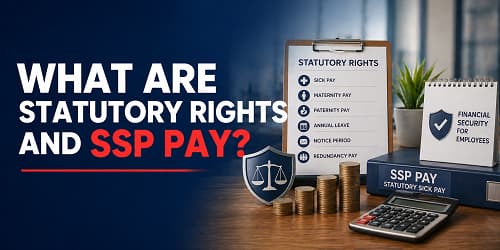
What Are Statutory Rights And SSP Pay
This page explains statutory workplace entitlements set out in law, including minimum protections such as sick pay, and how these rights apply automatically regardless of contract terms. It provides clear guidance on Statutory Sick Pay (SSP), covering eligibility, payment amounts, and when it must be paid by employers during periods of illness.
Statutory rights are the basic legal protections and entitlements UK workers have under legislation. They apply regardless of what your contract says and set the minimum standard employers must meet.

Understanding TUPE: A Comprehensive Guide
This page explains how TUPE protects individuals when a business or service changes ownership, including when roles transfer to a new employer under existing terms and conditions. It provides clear guidance on when TUPE applies, what happens to contracts, and how continuity of employment and protections against dismissal are maintained during a transfer.
TUPE stands for the Transfer of Undertakings (Protection of Employment) Regulations 2006. It is a crucial piece of legislation in the UK designed to protect employees’ rights when the business they work for changes ownership.

Parental Leave and Maternity Leave Rights in the UK
This page explains family-related workplace entitlements including maternity, paternity, adoption, and shared parental leave, outlining eligibility, pay, and time off rights. It provides clear guidance on how leave can be taken, shared between parents, and how protections remain in place during and after time away from work.
In the modern workplace, supporting families is more than a moral obligation—it’s a legal right.

Understanding Employee Rights During Suspension
This page explains what suspension means in the workplace, including when it may be used during investigations and why it is considered a neutral act rather than disciplinary action. It provides clear guidance on rights during suspension such as pay, reasons for suspension, the right to be accompanied, and how to challenge unfair treatment or breaches of contract.
Suspension from work can be a daunting experience. It is usually a sign that your employer has concerns about your conduct or performance.

I want to join
Join us today – it’s easy!
You’re just a few clicks away from investing in a better future for working people

I’m a member
All the support and advice you need
Log in to your account. Full access to your resources, contacts, personal dashboard, and instant advice.