
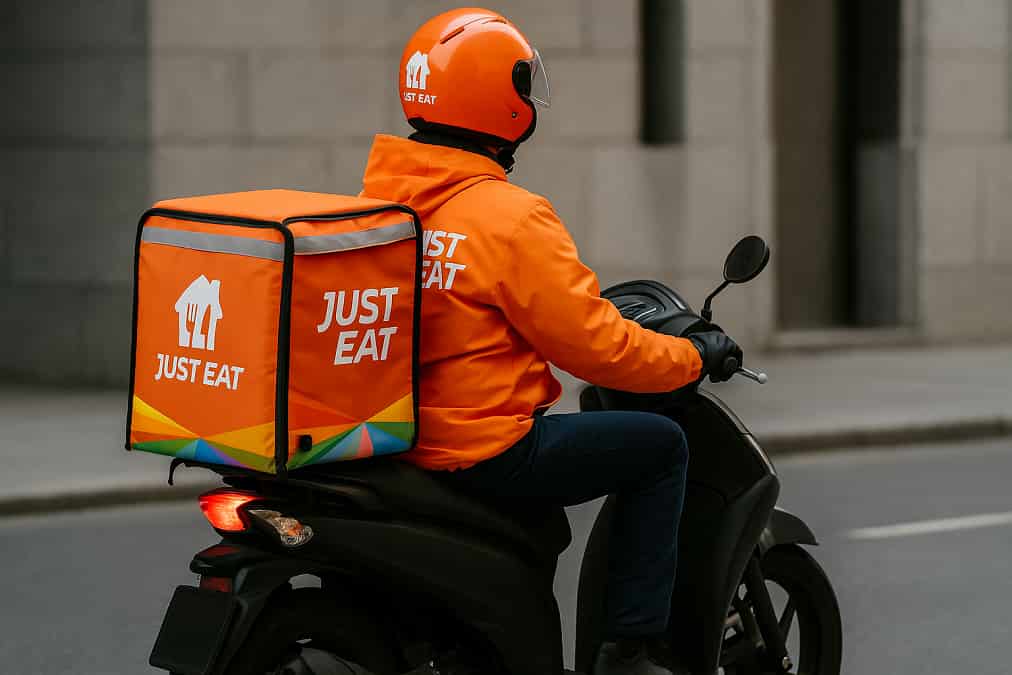
In a week-long national operation that underscores the growing scrutiny of unlawful working practices, 60 takeaway-delivery riders have been found working illegally in the UK and now face deportation. The action, carried out over seven days in November, formed part of what the Home Office described as an “enforcement blitz” across villages, towns and major urban centres. A total of 171 riders were arrested, revealing widespread concerns about compliance within the fast-expanding food delivery sector for employing illegal workers.
For working people across the UK — particularly those striving to maintain fair standards in increasingly competitive gig-style environments — these developments raise important questions about lawful employment, workplace protections and the integrity of local labour markets.
The Home Office reported several specific cases, including two Chinese nationals working illegally and arrested at a restaurant in Solihull, four riders from Bangladesh and India in Newham, East London, and three riders of Indian nationality in Norwich. Seven individuals have already been detained pending removal from the country. These cases highlight the complicated intersection between immigration controls, employment pressures and the challenges faced by both workers and employers operating in high-demand delivery environments.
Border Security Minister Alex Norris met with leading delivery platforms to push for stronger safeguards that prevent unlawful work, including enhanced facial recognition checks designed to stop riders from sharing accounts with individuals who lack permission to work in the UK. Companies such as Deliveroo, Uber Eats and Just Eat confirm that they have increased their use of randomised identity checks, aiming to eliminate loopholes that allow account rentals or identity misuse.
The government has also acknowledged earlier reports that some migrants have used online networks to rent delivery accounts from legitimate workers. To help crackdown on this illegal worker network, the Home Office has been sharing the locations of asylum-accommodation sites with delivery firms to identify potential hotspots for unlawful activity. As asylum seekers cannot undertake paid work during their first 12 months in the UK — or until their claims are processed — officials argue that intervention is necessary to maintain legal employment pathways.
Last year saw 8,000 arrests for illegal working — a 63% rise — underscoring the scale of the challenge. The forthcoming Border Security, Asylum and Immigration Bill aims to expand right-to-work checks into gig-based delivery roles, tightening employer obligations and strengthening enforcement powers.
For UK workers, the situation reinforces the need for clarity, fairness and strong oversight within sectors that have become essential to modern living. The Workers Union continues to champion a working environment where legitimate employees can thrive without being undermined by unlawful practices or weak regulatory compliance. As the delivery sector evolves, safeguarding lawful workers must remain central to policy development and employer responsibility.