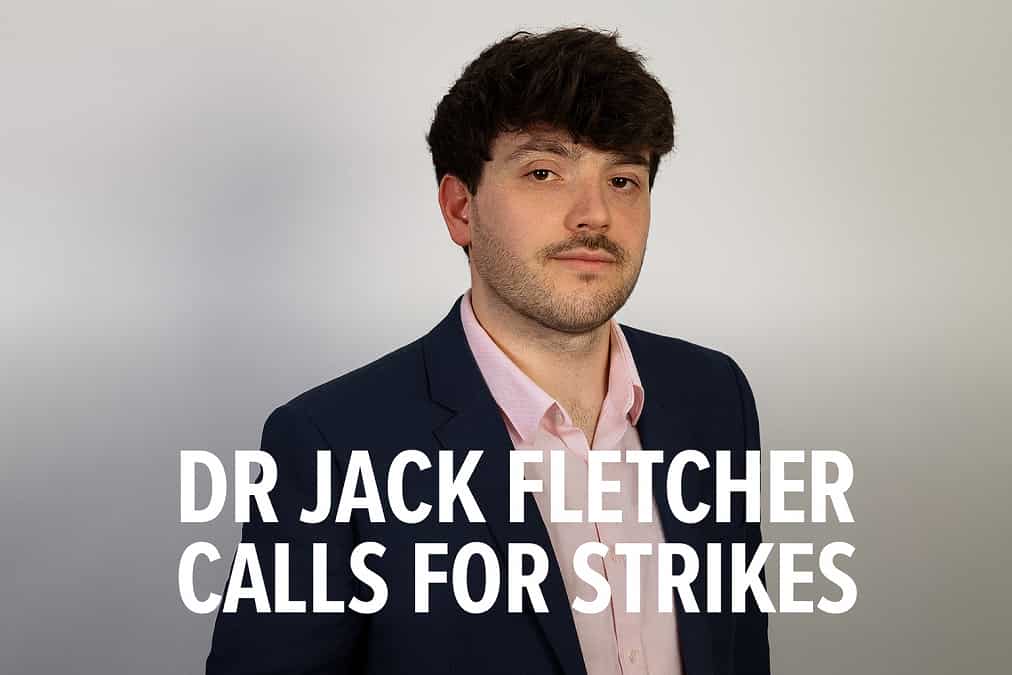
A fresh five-day walkout by resident doctors in England is set to go ahead this week, despite a late government offer aimed at easing tensions and avoiding further disruption to already stretched hospitals. The decision, confirmed following an online ballot, comes at a time of rising flu admissions and renewed concern about the resilience of frontline services during the winter period.
According to figures released after the weekend poll, 83 per cent of participating doctors voted to continue with the walkout, with a turnout of 65 per cent. The action is due to begin at 07:00 on Wednesday, marking the 14th stoppage since the dispute first emerged in March 2023.
The government’s latest proposal included commitments to increase specialty training posts and to cover certain out-of-pocket expenses, such as examination fees. However, it did not include further movement on pay. Health Secretary Wes Streeting has remained firm that pay will not be revisited, pointing to increases of close to 30 per cent for resident doctors over the past three years.
This position has drawn sharp criticism from doctor representatives, who argue that when inflation is taken into account, earnings remain around 20 per cent lower than they were in 2008. Streeting has dismissed further demands as unrealistic, describing them as “fantasy” and warning that proceeding with strikes at this point carries serious risks.
The timing of the action has intensified scrutiny. Hospitals across England are reporting a sharp rise in flu-related admissions, with data showing an increase of more than 50 per cent in a single week. More than 2,600 patients were hospitalised with flu in the first week of December alone, and health officials say there is no clear sign of a peak.
This winter’s flu season has arrived earlier than usual and is being driven largely by the H3N2 strain, which is associated with more severe illness. Experts have also raised concerns that mutations may have reduced population immunity, increasing pressure on emergency and non-urgent care alike.
Resident doctors, who make up nearly half of the medical workforce, are expected to withdraw labour from both emergency and routine services. Senior clinicians will be drafted in to provide cover, but NHS leaders warn that capacity is limited. Rory Deighton of the NHS Confederation described the decision to proceed as “hugely disruptive”, particularly given the seasonal challenges facing hospitals.
From the government’s perspective, the language has been stark. Streeting warned that action at this moment was “irresponsible and dangerous”, arguing that the risks associated with winter pressures and flu are of a different magnitude to earlier phases of the dispute. He has also appealed directly to doctors to reconsider and attend work.
This latest development follows earlier reporting by The Workers Union, which examined the substantial pay uplift secured by junior doctors and questioned its long-term sustainability. In September, we asked whether a headline 22 per cent increase would truly bring stability, or whether deeper structural issues would resurface. That question now appears increasingly relevant.
At The Workers Union, our position remains clear and consistent. We operate under a no strike policy and continue to emphasise the importance of maintaining services that the public and working people rely upon, particularly during periods of national strain. While recognising the genuine pressures faced by healthcare professionals, we are equally mindful of the broader societal disruption that prolonged stoppages can cause, especially for working families navigating illness, caring responsibilities, and economic uncertainty.
For UK workers watching these events unfold, the concern is not only about healthcare capacity, but about the wider knock-on effects: delayed appointments, increased absence due to flu, and additional pressure on workplaces already stretched by winter sickness. Stability, clarity, and long-term planning remain critical.
As this dispute enters yet another phase, the coming days will test whether dialogue can resume once the immediate pressures ease, or whether further disruption lies ahead. What is clear is that the intersection of workforce dissatisfaction, public health challenges, and winter demand leaves little room for error.