First Aid at Work: What you need to know
If someone is injured or becomes unwell at work, first aid at work is the immediate help given before professional medical assistance arrives. Every UK worker has the right to a safe environment where proper first aid in the workplace is available, clearly organised, and easy to access.
This guide explains exactly what first aid at work means, what should be in a first aid kit, what your employer must provide, and what steps you should take if something goes wrong.
What is first aid at work?
First aid at work is the emergency care given to someone who is injured or suddenly taken ill while working. It can include anything from treating a minor cut to responding to a serious incident such as unconsciousness, burns, or cardiac arrest.
In simple terms:
- It is the first response before medical professionals arrive
- It helps prevent a situation from getting worse
- It can save lives in critical situations
This is why every workplace must have appropriate arrangements in place.
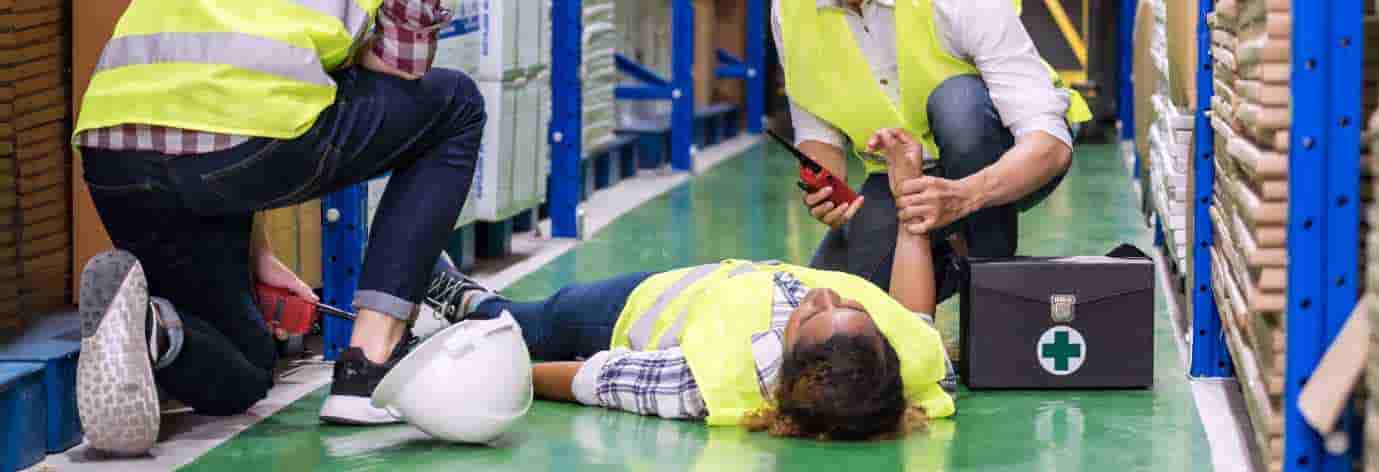
What is First Aid and Why is it Important?
When workers ask, “what is first aid?”, the answer is straightforward:
First aid is the immediate assistance given to a person suffering from injury or illness.
In the workplace, it matters because:
- Accidents can happen suddenly
- Quick action reduces long-term harm
- It provides reassurance and safety for all staff
Without proper first aid in the workplace, even minor incidents can escalate into serious problems.
What should you do if someone needs first aid at work?
If an incident happens, follow these steps immediately:
Step 1: Assess the situation
Check if the area is safe. Do not put yourself at risk.
Step 2: Call for help
Alert a trained first aider or emergency services if required.
Step 3: Provide immediate assistance
Use available first aid kit supplies to stabilise the person.
Step 4: Stay with the individual
Monitor their condition until help arrives.
Step 5: Report the incident
Ensure the incident is recorded properly by your employer.
These steps are essential for emergency first aid at work and should be understood by all employees.
What should be in a first aid kit at work?
A common question is: what should be in a first aid kit at work?
Every workplace must have a suitable first aid kit, and while contents vary depending on risk, a standard kit usually includes:
- Sterile dressings
- Adhesive plasters
- Bandages
- Eye wash solution
- Disposable gloves
- Antiseptic wipes
- Scissors
- Safety pins
- Burn dressings
Higher-risk environments may require additional items such as:
- Trauma dressings
- Splints
- Resuscitation equipment
If you are asking “what is in a first aid kit?”, the key point is this:
It must be appropriate for the workplace risks and number of employees.
What are the Legal Requirements for First Aid in the Workplace?
UK law requires employers to provide adequate first aid at work arrangements.
This includes:
- A properly stocked first aid kit
- Appointed first aiders or trained staff
- Clear procedures for emergencies
- Accessible first aid facilities
Employers must carry out a risk assessment to determine what is needed.
If your workplace lacks proper first aid provisions, this could indicate a failure in safety standards.
Emergency first aid at work: what does it involve?
Emergency first aid at work focuses on dealing with serious, life-threatening situations.
This may include:
- CPR (cardiopulmonary resuscitation)
- Treating severe bleeding
- Assisting someone who is choking
- Managing burns or chemical exposure
- Supporting someone unconscious
Having trained individuals available is critical. In high-risk industries, response time can make a significant difference.
First aid at work training: who needs it?
First aid at work training is essential for ensuring workplaces are prepared.
Employers must decide:
- How many trained first aiders are needed
- What level of training is required
- How often training should be refreshed
There are typically two levels:
Emergency first aid training
Basic life-saving skills for immediate response.
Full first aid at work training
More comprehensive support for a wider range of incidents.
If you are unsure whether your workplace meets training requirements, it is worth raising this concern.
What do you know about first aid in real workplace situations?
Understanding theory is one thing, but real-life application matters most.
Here are common workplace scenarios:
Scenario 1: Minor injury
A worker cuts their hand. A first aider cleans the wound and applies a sterile dressing.
Scenario 2: Slip or fall
A colleague falls and cannot stand. First aid ensures they are stable and monitored while waiting for medical help.
Scenario 3: Serious emergency
An employee collapses. A trained first aider performs CPR until emergency services arrive.
These examples highlight why first aid at work is not optional—it is essential.
What are the risks of poor first aid provision?
If first aid in the workplace is inadequate, workers face:
- Delayed treatment
- Increased injury severity
- Higher stress and anxiety
- Unsafe working conditions
Employers who fail to provide proper arrangements may be placing workers at risk.
What should you do if your workplace does not provide proper first aid?
If you believe your workplace is failing to meet standards:
Take these steps:
- Raise the issue internally with management
- Ask for details of the first aid risk assessment
- Check who the trained first aiders are
- Document any concerns or incidents
- Seek guidance if the issue is not resolved
Workers should not feel unsafe due to lack of preparation.
How The Workers Union supports UK workers on workplace safety
At The Workers Union, we support workers facing concerns about first aid at work, safety standards, and employer responsibilities.
We help by:
- Explaining your rights clearly
- Guiding you on what steps to take next
- Helping you raise concerns effectively
- Supporting you through workplace issues
If something feels wrong in your workplace, it is important to act early.
Final thoughts: why first aid at work matters now more than ever
Workplace safety is not just about preventing accidents—it is about being prepared when they happen.
Proper first aid at work ensures:
- Faster response times
- Reduced harm
- Greater confidence among workers
If your workplace does not meet these standards, it is important to take action.
The Workers Union is here to ensure UK workers have access to clear, practical support when it matters most.
Frequently Asked Questions
It is the immediate care given to someone injured or unwell at work before professional medical help arrives.
Items such as dressings, bandages, gloves, and eye wash, tailored to workplace risks.
Yes, employers must ensure adequate trained personnel are available based on risk.
It focuses on life-saving actions such as CPR, treating severe bleeding, and stabilising serious injuries.
Raise the issue immediately and seek guidance if the situation is not addressed.

I want to join
Join us today – it’s easy!
You’re just a few clicks away from investing in a better future for working people

I’m a member
All the support and advice you need
Log in to your account. Full access to your resources, contacts, personal dashboard, and instant advice.