Manual Handling at Work: What you need to know and what to do next
Manual handling at work is one of the most common causes of injury in the UK workplace. If your role involves lifting, carrying, pushing, or pulling, understanding your rights and responsibilities is essential.
This guide explains what manual handling is, the risks involved, and—most importantly—what you should do if your workplace safety is at risk.
What is manual handling
Manual handling refers to any activity where you:
- Lift or lower an object
- Carry or move items
- Push or pull loads
- Support or restrain objects or people
These manual handling activities can happen in nearly every job—from warehouses and construction sites to offices and care settings.
If your job involves physical movement of objects, you are carrying out manual handling in the workplace.
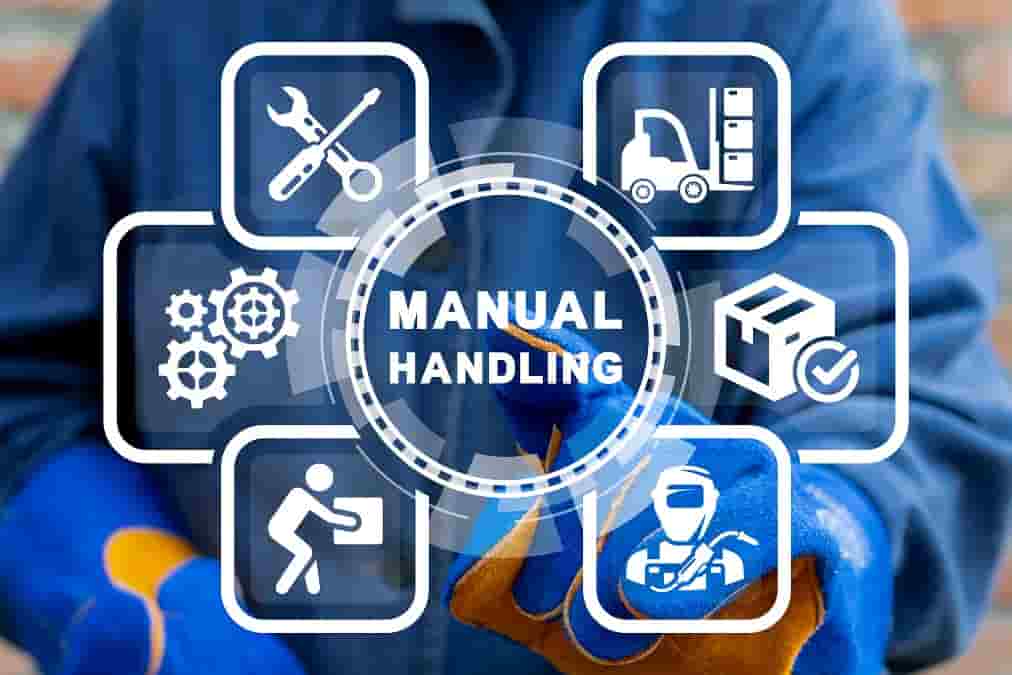
What are the key components of manual handling
Understanding the key components of manual handling helps you identify risks quickly.
The main factors include:
- The task – what you are being asked to do
- The load – weight, size, and stability
- The environment – space, lighting, flooring
- The individual – your capability, health, and training
If any of these are unsafe, your risk of injury increases.
Hazard Difference Risk: What workers need to understand
Many workers are told about “hazards” and “risks” but not what they actually mean.
- A hazard is something that can cause harm (e.g. a heavy box)
- A risk is the chance of that harm happening (e.g. lifting incorrectly and injuring your back)
Understanding this hazard difference risk is key to protecting yourself.
Manual handling risks at work
Poor manual handling work practices can lead to:
- Back injuries
- Muscle strains
- Long-term joint problems
- Fatigue and reduced ability to work
These injuries often build over time, not just from one incident.
What your employer must do
Under UK law, employers must:
- Assess manual handling risks
- Reduce or remove unsafe tasks where possible
- Provide suitable equipment
- Deliver proper manual handling training
- Ensure workplace health and safety standards are met
If these steps are not being followed, your health and safety at work may be at risk.
What you should do if you feel unsafe
If you believe manual handling in your workplace is unsafe, take these steps:
1. Identify the issue clearly
What is unsafe? Is it the weight, the environment, or lack of training?
2. Raise it internally
Report the issue to your manager or supervisor as soon as possible.
3. Record what is happening
Keep notes of incidents, near misses, or ongoing concerns.
4. Request proper support
Ask for manual handling training or safer equipment.
5. Get independent guidance
If the issue is not resolved, seek further support immediately.
Real workplace scenario
You are asked to repeatedly lift heavy boxes without training or equipment.
What should you do?
- Stop and assess whether the task is safe
- Raise the concern with your employer
- Request training or assistance
- Avoid putting yourself at risk of injury
This is not about refusing work—it is about protecting your long-term health.
Why Manual Handling Training Matters
Manual handling training is not optional—it is essential.
Proper training helps you:
- Understand safe lifting techniques
- Recognise risks before injury occurs
- Work more efficiently and safely
- Protect your long-term health
If you have not received training, this is a clear workplace safety concern.
Quick checklist: are you at risk
Ask yourself:
- Am I lifting or moving heavy items regularly?
- Have I received proper manual handling training?
- Is the working environment safe and suitable?
- Do I feel at risk of injury while working?
If you answered yes to any of these, action should be taken.
How The Workers Union can help
The Workers Union is focused on helping UK workers take control of workplace issues quickly and effectively.
If you are dealing with unsafe manual handling work conditions:
- We can help you understand your position
- We can guide you on what to do next
- We can support you in raising concerns properly
- We can connect you with expert guidance if needed
Workplace safety should never be ignored.
Take action now
If something feels unsafe, do not wait.
Manual handling injuries can affect your ability to work long-term. Acting early protects both your health and your future.
Explore more workplace safety guidance or get support today through The Workers Union.
Frequently Asked Questions
Manual handling at work includes any physical activity involving lifting, carrying, pushing, or pulling objects.
Manual handling activities include moving stock, lifting equipment, handling deliveries, and assisting people.
Yes. Employers are expected to provide training where there is a risk of injury.
A hazard is something that can cause harm. A risk is the likelihood of that harm happening.

I want to join
Join us today – it’s easy!
You’re just a few clicks away from investing in a better future for working people

I’m a member
All the support and advice you need
Log in to your account. Full access to your resources, contacts, personal dashboard, and instant advice.