PPE at work: Your rights to obtaining personal protective equipment
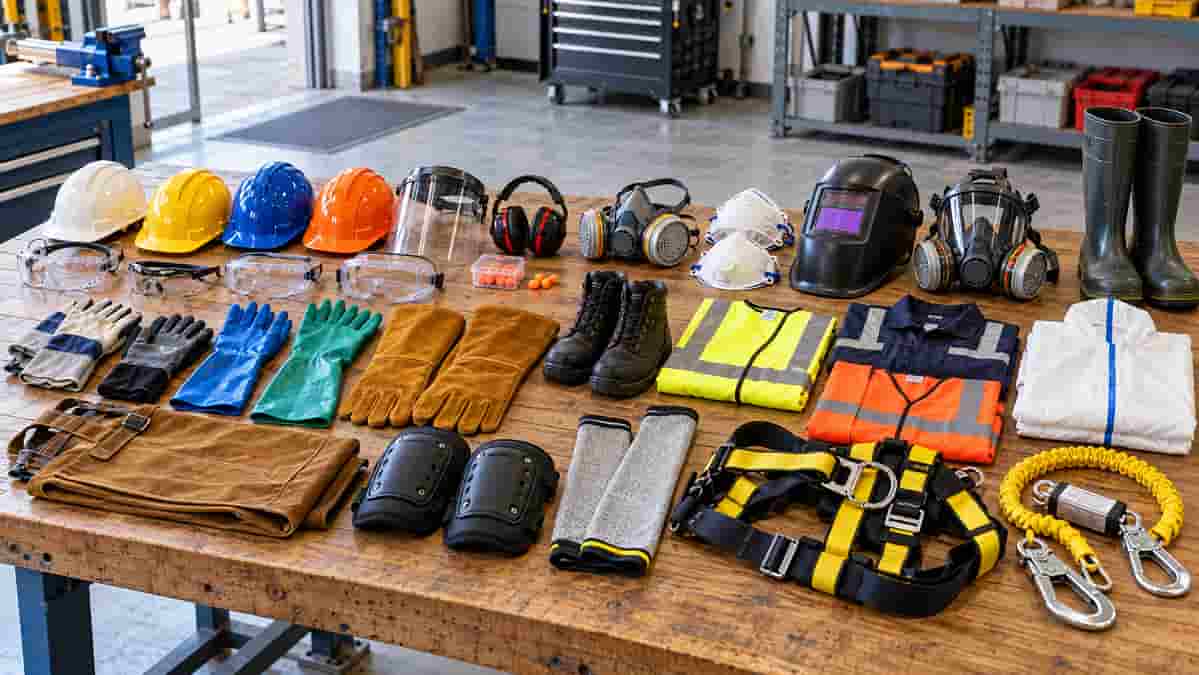
Personal protective equipment (PPE) can help prevent life-changing injuries and serious illness. However, simply being handed gloves, boots or a mask does not mean you are properly protected. The equipment must be suitable for the job, fit you correctly and work effectively with anything else you need to wear.
This guide explains how to request PPE and what to do when essential protection is missing. The employment-law provisions below apply to England, Scotland and Wales. Northern Ireland has separate legislation and PPE guidance from HSENI.
Why the right PPE matters
Different jobs expose workers to different hazards. Equipment suitable for moving boxes may be unsuitable for handling chemicals, cutting materials or working around excessive noise.
The Health and Safety Executive’s guidance on choosing PPE shows why equipment must match the specific risk.
| Workplace hazard | What suitable protection must address |
| Chemical splashes | Gloves and eye protection suitable for the substance and exposure |
| Falling objects | Appropriate head protection and safety footwear |
| Harmful dust or fumes | Respiratory protection selected for the contaminant and exposure |
| Excessive noise | Hearing protection suited to the noise and working conditions |
| Slippery surfaces | Footwear with soles appropriate for the surface and conditions |
Even protective equipment can introduce risks if selected incorrectly. Gloves, for example, can become caught in certain rotating machinery. The task’s risk assessment must guide the choice.
Fit matters equally. Oversized clothing may snag, while incompatible equipment can reduce protection. Safety glasses must not disturb a respirator’s seal. Employers should consider different sizes and designs instead of expecting everyone to use identical equipment.
What must your employer provide?
According to HSE’s PPE guidance, employers must provide necessary PPE free of charge where their risk assessment identifies that it is required. They must also arrange suitable instructions, training, maintenance and storage.
PPE should support wider safety measures. Employers should first consider removing hazards or controlling them through measures such as extraction systems, guards and safer working methods. Issuing protective clothing does not remove those responsibilities.
In Great Britain, PPE duties were extended in April 2022 to include qualifying workers with more casual working arrangements, known legally as “limb (b) workers”. The extension does not cover genuinely self-employed people. Your actual working relationship matters when determining your status.
How to request PPE at work
Raise the issue with your supervisor, manager or health and safety contact before undertaking the affected task.
- Describe the work and hazard. Explain what you are being asked to do and what could cause harm.
- Identify the problem. State whether equipment is missing, damaged, unsuitable or incorrectly sized.
- Ask about the risk assessment. Request an explanation of the required protection and safe working method.
- Request suitable equipment and training. Include replacement PPE or fitting arrangements where needed.
- Keep a written record. Save your request, the response and any agreed action.
For an agency assignment, notify both your agency and the organisation supervising your work.
You could write:
“I am concerned that the PPE available for [task] does not adequately protect against [hazard] because [reason]. Please review the risk assessment and provide suitable equipment and any necessary training before I undertake this task. Please confirm what safe alternative work is available meanwhile.”
Can you refuse work without the correct PPE?
You may be legally protected when stopping or declining unsafe work, but missing PPE does not automatically justify every refusal.
In Great Britain, section 44 of the Employment Rights Act 1996 protects workers against detrimental treatment in specified circumstances. These include leaving, proposing to leave or refusing to return to a dangerous workplace where they reasonably believe the danger is serious and imminent and cannot reasonably be expected to avert it. It also covers appropriate protective steps in response to reasonably believed serious and imminent danger.
Employees have corresponding protection against dismissal under section 100. Whether protection applies depends on the facts and the action taken.
If you believe the task presents serious and imminent danger, stop the affected activity, move to safety and tell your manager as soon as safely possible. Explain the hazard and missing protection. Ask for safe alternative duties and record what happened.
If concerns remain unresolved, use the workplace reporting procedure and, where appropriate, report the safety issue to HSE or the relevant enforcing authority. Seek prompt individual advice if you face disciplinary action or loss of pay.
The Workers Union’s help section provides further workplace guidance.
Q&A
No. Employers must provide PPE required under their applicable workplace safety duties free of charge to covered employees and workers.
Report it and request a suitable size or alternative design. Do not modify equipment yourself to make it fit, as this may compromise protection.
Tight-fitting respiratory protection requires fit testing for the wearer. Facial hair crossing the sealing area prevents a reliable seal; suitable alternatives may be needed. See HSE’s face-fit guidance.
Your employer is responsible for maintaining and replacing the PPE they provide. Report defects promptly and request replacement before relying on damaged equipment.
Yes, where the risk assessment requires it. A short task can still cause injury. Use the equipment correctly and follow your training.

I want to join
Join us today – it’s easy!
You’re just a few clicks away from investing in a better future for working people

I’m a member
All the support and advice you need
Log in to your account. Full access to your resources, contacts, personal dashboard, and instant advice.