Know Your Redundancy Rights in the UK
The Workers Union, a union for UK workers, presents the Know Your Redundancy Rights UK page as a complete guide to understanding redundancy from start to finish. This page brings together key insights from core resources, including a general guide to redundancy, a more detailed breakdown of the redundancy process, and specific scenarios explaining how redundancy situations develop within organisations.
It also covers the consultation period, outlining how employers must engage, share information, and consider alternatives before making final decisions. Alongside this, it highlights what individuals can expect during large-scale job risks, including what can be claimed and how to respond effectively.
The page combines practical guidance with real-world context, helping individuals understand selection criteria, consultation rules, entitlements such as pay and notice, and how to challenge unfair outcomes. It also explores how redundancy can be approached as an opportunity to reassess and move forward with clarity.
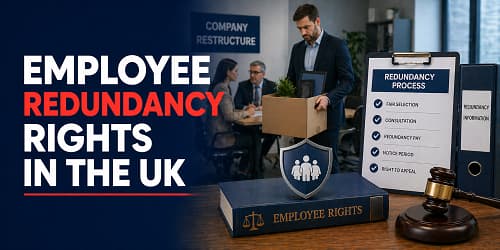
Redundancy Rights in the UK
This page explains what redundancy means, why roles may be removed, and how the process differs from dismissal due to conduct or performance. It outlines key entitlements such as redundancy pay, notice periods, and fair selection, while guiding individuals through what to expect and how to navigate the situation step by step
UK workers have clear redundancy rights that protect them during this process. These rights apply regardless of sector and are designed to ensure fairness, transparency, and financial protection.

Redundancy Selection Process and Criteria
This page provides a comprehensive breakdown of redundancy processes, focusing on how selection pools and criteria are determined and applied fairly within organisations. It explains consultation requirements, including individual and collective consultation, and outlines rights around appeals, alternative roles, and employer obligations during decision-making.
It also details key entitlements such as statutory and enhanced redundancy pay, notice periods, and protections against unfair or discriminatory selection. The guide helps individuals understand how redundancy decisions are made, what to challenge, and how to navigate each stage with clarity and confidence.

Employee Rights in a Redundancy Situation
This page provides a deeper, step-by-step breakdown of redundancy, focusing on how selection pools and criteria are created, assessed, and applied fairly across affected roles. It explains how employers must justify decisions using objective measures such as performance, skills, and attendance while avoiding discrimination.
The below checklist outlines statutory, contractual, or individual rights an employee has in a redundancy situation. Some rights will require a qualifying period, others will not.
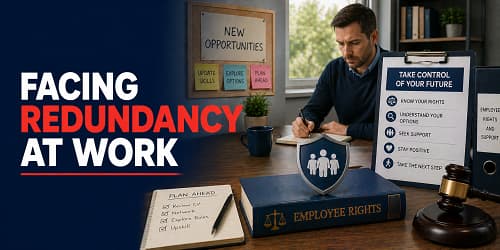
Facing Redundancy at Work
This page explores how redundancy can be approached as a turning point, focusing on practical steps to reassess career direction, build new skills, and move into more secure opportunities. It provides guidance on mindset, planning ahead, and making informed decisions during uncertainty to regain control and progress forward.
It also highlights what to do when redundancy is raised, including understanding your position, checking employer decisions, and taking early action to protect outcomes. The page supports individuals in shifting from uncertainty to opportunity with clear, actionable advice.

Redundancy Consultation Process in the UK
This page explains the redundancy consultation period, focusing on how employers must engage in meaningful discussions before any final decisions are made, including individual and collective consultation requirements. It outlines what should be discussed, how decisions are influenced, and the legal duty to explore alternatives and reduce impact on those affected
It also details key timeframes and rules, including when consultation must begin (30 or 45 days for larger processes), what information must be shared, and how failure to consult properly can lead to unfair outcomes or legal challenge

What Redundancy really means for Workers
This page explains the growing risk of job losses across the UK, highlighting what individuals can expect if redundancy becomes a reality and why understanding entitlements is critical during economic uncertainty. It focuses on what redundancy legally means, the importance of a fair process including consultation, and how decisions must be justified by employers.
It provides practical guidance on what can be claimed, what steps to take if redundancy is raised, and how to identify unfair treatment or challenge decisions. The page supports individuals with clear, actionable advice to understand their position and respond effectively during a redundancy situation.

I want to join
Join us today – it’s easy!
You’re just a few clicks away from investing in a better future for working people

I’m a member
All the support and advice you need
Log in to your account. Full access to your resources, contacts, personal dashboard, and instant advice.