More than 1,000 aerospace professionals working for BAE Systems in Lancashire have voted to accept a revised pay settlement worth around 6%, bringing to a close a long-running dispute that had led to months of industrial action.
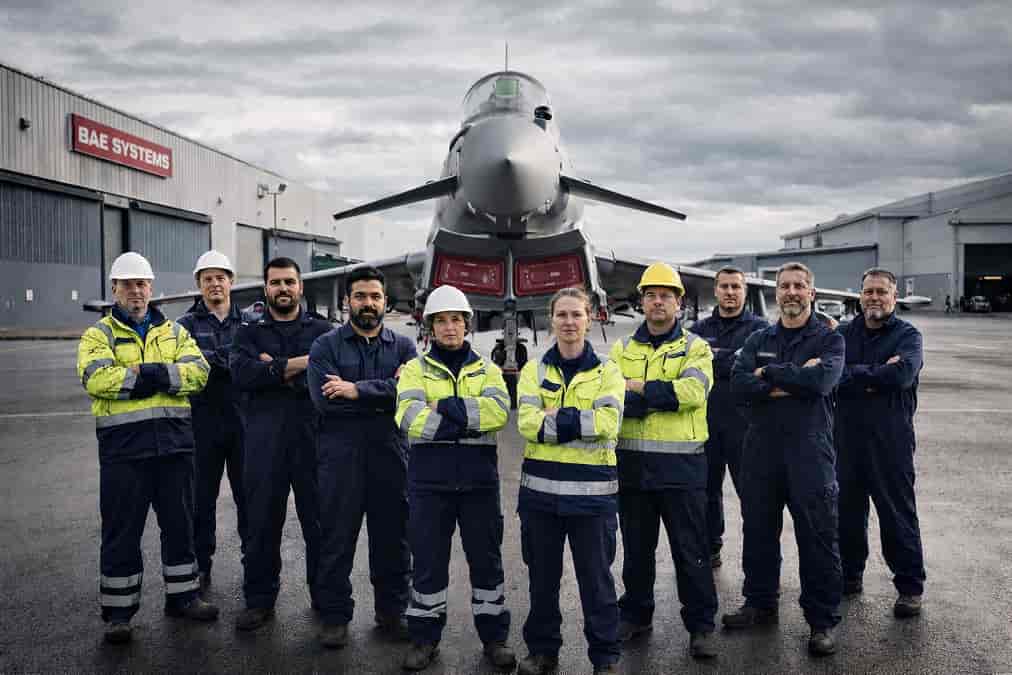
The agreement affects staff based at the company’s major sites in Warton and Samlesbury, two key hubs in the UK’s aerospace and defence manufacturing sector. The workforce involved includes highly skilled aerospace engineers and staff performing safety-critical duties within the firm’s professional services divisions.
The settlement, reached after negotiations between the company and employee representatives, includes a pay increase structured across the year. Workers will receive a 4.8% salary rise backdated to 1 January, followed by a further 0.75% increase from 1 October.
Alongside the salary uplift, the agreement includes several improvements to working conditions. Employees will receive an additional day of annual leave, while some union members will benefit from a further one-off day of holiday. The package also provides a one-off payment of £500 to each worker and introduces a permanent reduction of 30 minutes in the working day.
For many UK workers at the Lancashire facilities, the settlement represents the conclusion of a dispute that began last autumn. The disagreement emerged after staff raised concerns about pay differences across the organisation. Employees had initially rejected an offer of 3.6%, arguing it did not match the 4.5% increase awarded to shop-floor colleagues.
The issue became particularly sensitive given the company’s financial performance. BAE Systems reported profits of around £3 billion in 2024, a figure cited by workers as justification for seeking a more substantial pay settlement.
Industrial action began after employees voted in favour of strike measures in October. Walkouts took place intermittently between 5 November and 28 January, disrupting operations at the strategically important Lancashire sites.
The dispute escalated further when the company attempted to challenge the strike action through High Court proceedings. Despite this effort, further stoppages began on 2 February, with additional action scheduled to continue into late February before the agreement was ultimately reached.
For many observers, the outcome reflects the delicate balance currently shaping pay negotiations across the UK workforce. Rising living costs, recruitment pressures in specialist sectors and company profitability are increasingly becoming central factors in workplace discussions about wages and conditions.
Within the aerospace sector, where advanced engineering skills are in high demand, maintaining stability in the workforce remains a priority. Facilities such as Warton and Samlesbury are central to Britain’s defence and aerospace capabilities, supporting programmes that contribute to national security and global partnerships.
A spokesperson for BAE Systems said the company welcomed the agreement and emphasised the importance of its employees to the organisation’s mission.
“We are pleased to have reached an agreement with the unions,” the spokesperson said. “As the UK’s sovereign provider of combat air capability, our people continue to play a crucial role in supporting the UK Armed Forces and its allies.”
From the perspective of The Workers Union, the resolution also highlights the importance of maintaining stability within the UK workforce. The organisation continues to support workplace dialogue and constructive engagement between employees and employers, while maintaining its long-standing no-strike policy.
For UK workers, particularly those employed in high-skill sectors such as aerospace engineering, the settlement may also signal a wider trend. Across several industries, employers are under growing pressure to review pay structures and workplace conditions in order to attract and retain specialist talent.
In an economy where skilled workers are increasingly vital to national productivity and technological development, agreements such as this one will continue to shape the conversation around pay, fairness and the long-term resilience of Britain’s workforce.