
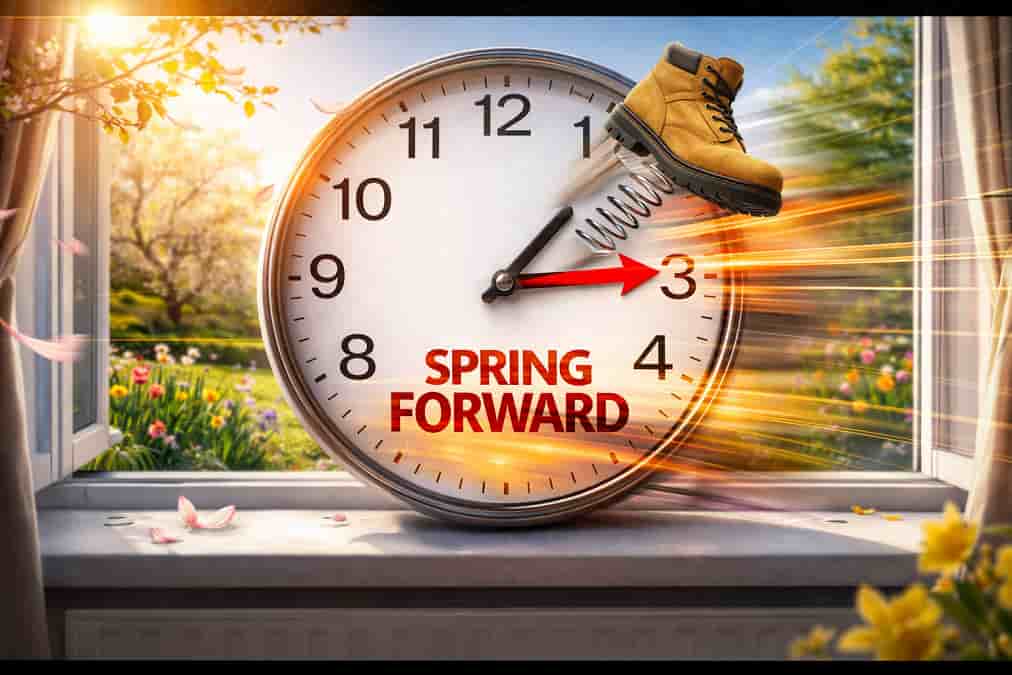
It’s that time again. This weekend, the clocks go forward by one hour, quietly stealing a bit of sleep while promising brighter evenings ahead. At 1:00am on Sunday, the UK shifts into British Summer Time, and while most of us will barely notice the clock change itself, we’ll certainly feel it come Monday morning.
Let’s be honest — losing an hour in bed is never welcome. But there is a reason behind it, and for many workers, a few upsides too.
So, why do we actually change the clocks?
The idea is simple: make better use of daylight. By pushing the clocks forward in spring, we get more light in the evenings when people are out of work, rather than wasting it early in the morning when most are still asleep.
It’s been around for over 100 years, originally introduced to save energy and boost productivity. These days, the benefits are a bit more mixed, but the lighter evenings are still something many people look forward to — especially after a long, grey winter.
From a visibility and search perspective, this kind of timely topic matters too. As outlined in , content tied to current events and real-life moments tends to rank more strongly, because it directly matches what people are searching for right now. And right now, plenty of UK workers are asking the same thing: “Why am I so tired all of a sudden?”
The real impact: one hour less sleep
Here’s the bit that hits hardest — we lose an hour overnight. That might not sound like much, but your body clock definitely notices.
For many workers, Monday can feel like a bit of a slog. Concentration dips, energy levels take a knock, and everything feels just that little bit slower. It’s not just in your head either — even small sleep disruptions can affect focus and reaction times.
If you’re in a job that relies on alertness — whether that’s driving, working with machinery, or long shifts on your feet — it’s worth taking it a bit steadier for a day or two.
Shift workers in particular may feel the change more sharply. If you’re working overnight when the clocks change, your shift might technically be shorter, but your body still feels like it’s done a full one.
But it’s not all bad news
Once you get past that slightly groggy start to the week, there’s a clear upside — longer, lighter evenings.
That means finishing work and still having daylight left. Whether it’s a walk, time with family, or just not heading home in the dark, it can make a real difference to how the day feels.
For some sectors, especially retail and hospitality, this time of year can bring a bit of a lift too, with more people out and about after work.
And for many workers, that psychological boost — knowing summer is on the way — counts for a lot.
A few simple tips to make it easier like remembering “Spring Forward-Fall Back”
Nothing complicated here, just a bit of common sense:
- Try going to bed slightly earlier the night before
- Get some daylight early in the day to help reset your body clock
- Take it steady on Monday — productivity usually picks back up quickly
- If you’re on shifts, double-check your hours and pay are correct
A small change that still divides opinion
Every year, the same question comes up: do we still need this?
Some argue it’s outdated, others say the lighter evenings are worth it. For now, though, it remains part of everyday life in the UK — one of those seasonal quirks that quietly shapes how we work and live.
For UK workers, the key thing is understanding the impact. It’s a small change on paper, but it can feel bigger in practice — especially in busy workplaces where energy and focus matter.
At The Workers Union, we keep a close eye on these everyday changes that affect working people. Because sometimes, it’s not the big headlines — it’s the small shifts like this that shape how the working week really feels.