In a case that underlines the very real risks faced by UK workers on the shop floor, a retail assistant from East Yorkshire has secured a £46,000 settlement after suffering life-altering injuries when a seven-foot delivery trolley toppled onto her during a routine task.
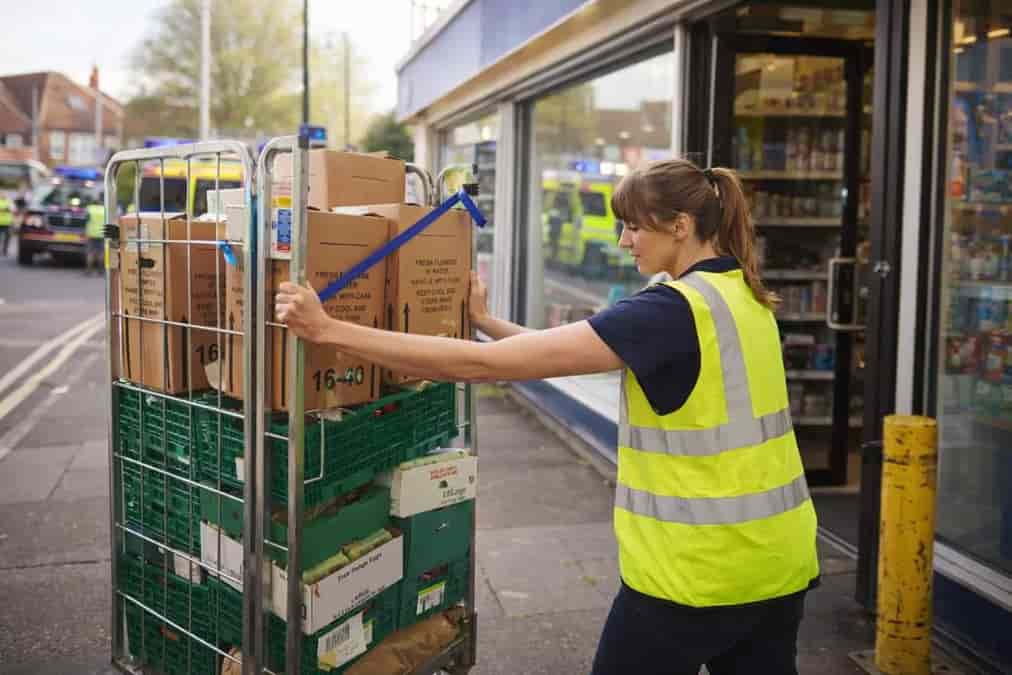
The woman, who has chosen to remain anonymous, was working at a convenience store when she attempted to manoeuvre a towering, caged trolley stacked with alcohol and soft drinks from the side of the premises to the front. It was mid-afternoon, around 4pm, a time familiar to many retail workers as deliveries are moved and shelves prepared for the evening rush.
She recalls immediately sensing something was wrong. The trolley, significantly heavier than usual, became unstable as she attempted to guide it up a slight incline from the pavement. Moments later, she lost control. The cage tipped and fell, crushing her to the ground on the edge of a busy road.
The impact left her with devastating injuries: a pelvis broken in three places, head injuries, and damage to her arm. Passers-by rushed to help, but the sheer weight of the trolley meant it could not be lifted easily. It took several men to remove it from her, while police were called to close the road to passing traffic. Paramedics arrived after an hour, by which point the seriousness of her condition was clear.
At the time of the incident, the store was owned by McColl’s, which later accepted a breach of duty of care and admitted primary liability. That admission proved pivotal. It recognised that the systems in place had failed to adequately protect a worker from foreseeable harm during a standard delivery task.
The woman was supported through the legal process by a senior local personal injury solicitor who successfully challenged a counteroffer and secured the final settlement. Speaking after the outcome, the worker described a mixture of relief and resolve. “It’s taken three years, but I’m thrilled they’ve finally taken liability and it’s dealt with,” she said, praising the persistence and professionalism shown throughout her case.
What makes this story particularly striking is what happened next. The shop has since re-opened under Morrisons Daily, and despite the trauma, she made the decision to return to work at the same location. It was not an easy choice.
Mentally, the scars remain. While she continues in her role, she no longer handles fully loaded container trolleys. “We still have to take them into the shop, but I don’t touch the full ones,” she explained. “That’s still too much for me to deal with.” Colleagues were reportedly astonished by her determination to return, a testament to resilience that medical specialists themselves described as remarkable given the severity of her injuries.
For UK workers, this case serves as a stark reminder that everyday tasks can carry serious risks if proper safeguards are not in place. Heavy delivery cages, uneven surfaces, and time pressures are common features across retail environments. When combined, they can create conditions where accidents become not just possible, but likely.
Commenting on the case, Johnathan Morgan of The Workers Union said: “All our members get priority, not just after an accident but also with other work-related matters.” His remarks reflect a broader concern shared by many across the sector: that prevention, early intervention, and clear accountability are essential to keeping people safe at work.
From a wider perspective, the outcome also reinforces an important principle. When organisations acknowledge responsibility and address failures openly, it can lead to meaningful outcomes for those affected. While compensation cannot undo physical or psychological harm, it can provide stability and recognition, allowing individuals to focus on recovery and rebuilding confidence.
Three years on, the woman involved continues to move forward. She is realistic about the lasting impact, acknowledging that she will never forget the day the trolley fell. Yet her decision to return, and to keep working despite fear and memory, speaks volumes about the strength shown by countless UK workers who simply want to do their jobs safely and return home at the end of the day.
For The Workers Union, cases like this underline why practical support, clear information, and a focus on everyday working conditions remain vital. Accidents may be sudden, but their consequences can last a lifetime.