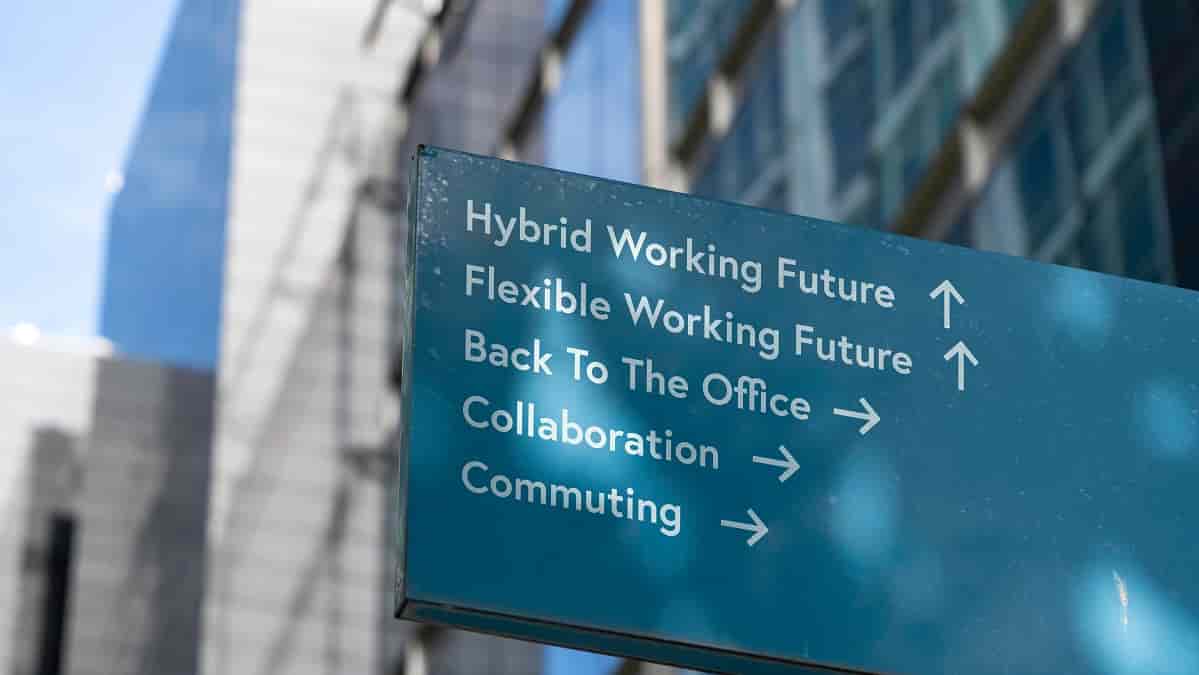
In recent years, the traditional model of working in an office has been increasingly challenged, with remote work and flexible working conditions becoming more mainstream. The pandemic has served to fast-forward this evolution, pushing organisations and employees alike to adapt to the ‘new normal’. The debate around which is better — working from home or at the office, has taken centre stage. Similarly, the daily commute, once considered a mundane but necessary part of office life, is now under scrutiny.
Pros of Working From Home
One of the major advantages of working from home is the flexibility it provides. Employees can plan their day around their most productive hours, better balance work and personal life, and avoid the dreaded morning rush. Furthermore, the time saved from commuting can be invested in other beneficial activities like exercise, hobbies, or extended sleep.
Work from home also eliminates the distractions often found in the office, such as loud coworkers, incessant meetings, or random interruptions. Moreover, remote work can result in reduced office costs for businesses, including rent, utilities, and equipment.
Cons of Working From Home
However, working from home has its drawbacks. The lack of face-to-face interactions can lead to feelings of isolation and disconnect, which can adversely impact mental health. Additionally, with work and home spaces overlapping, it becomes challenging to establish boundaries and maintain a healthy work-life balance.
Moreover, working remotely often means relying on technology for collaboration and communication. Technical difficulties and internet connectivity issues can disrupt workflow and productivity.
Pros of Commuting and Working from Office
The office environment has several benefits, one of them being the social aspect. Regular social interactions with colleagues can lead to stronger team dynamics, improved morale and increased creativity through brainstorming sessions. The structured environment can also help individuals stay focused, maintain a routine, and separate their personal and professional lives.
Commuting, too, has its advantages. For some, the journey to and from work serves as a psychological bridge, helping them transition between personal and professional roles. Commuting can also provide valuable ‘me time’ for many, allowing for activities like reading, listening to podcasts or simply reflecting on the day.
Cons of Commuting and Working from Office
The most significant downside of working from the office is undoubtedly the commute. Traffic congestion, crowded public transportation, and unpredictable weather conditions can make this experience stressful and time-consuming. It also comes with financial costs related to fuel, public transportation tickets, car maintenance, and potentially parking.
The office environment can also be stressful for some, with potential distractions and office politics. Also, the inflexibility of office hours may not always suit everyone, particularly those with familial or other personal responsibilities.
The Workers Union Says…
“Both working from home and in the office have their unique sets of advantages and disadvantages. The choice between the two will inevitably depend on individual circumstances and preferences. However, a hybrid approach that combines the best of both worlds is emerging as an increasingly popular option. This model allows employees to work from home for part of the week while spending the rest in the office, providing a balance of flexibility, productivity, and social interaction.”