
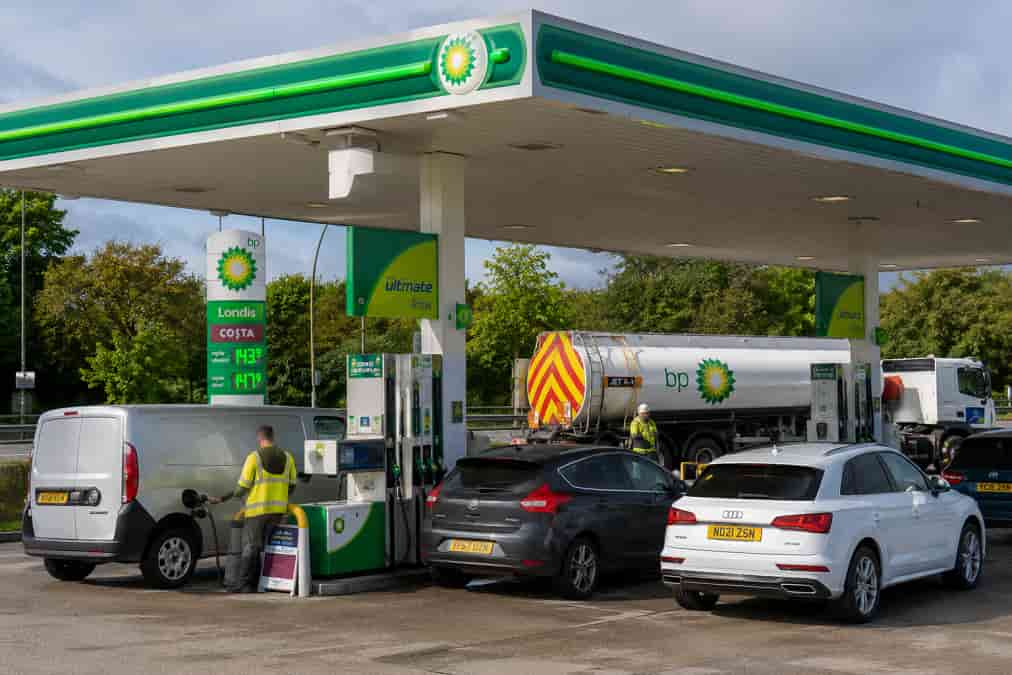
This is a significant story for UK workers, commuters and businesses that rely on fuel, but there are still some important uncertainties that need to be highlighted.
What has happened?
Oil prices have fallen sharply this week as markets reacted positively to reports of a proposed peace agreement between the United States and Iran. The agreement is expected to be formally signed at the Swiss resort of Burgenstock on Friday, with the reopening of the Strait of Hormuz forming a key part of the deal. Reports indicate that the agreement would restore commercial shipping through the vital waterway and allow Iranian oil exports to resume.
The Strait of Hormuz is one of the world’s most important energy routes, carrying a significant proportion of global oil supplies. Disruption to shipping during the conflict contributed to oil prices rising above $120 per barrel earlier this year. Since news of the proposed agreement emerged, Brent crude has fallen below $80 per barrel at points during trading.
When could drivers see lower fuel prices?
Unfortunately, lower oil prices do not translate into immediate reductions at UK forecourts.
Fuel retailers typically purchase stock in advance and there is usually a delay between movements in wholesale oil prices and changes at the pump. Based on current industry estimates, motorists could begin seeing more noticeable reductions within the next one to two weeks if oil prices remain at current levels. The RAC believes sustained oil prices around $85 per barrel could lead to petrol falling towards 148p per litre and diesel dropping below 160p per litre.
Current average UK fuel prices
According to the figures provided:
| Fuel Type | Current Average | Peak During Crisis |
| Unleaded Petrol | 155.45p per litre | 159.53p per litre |
| Diesel | 175.86p per litre | 191.54p per litre |
Diesel users have been particularly affected, with many van drivers, haulage operators and tradespeople facing significantly higher operating costs over recent months.
What does this mean for workers?
For many workers, fuel costs have become a major household expense. Those most likely to benefit include:
- Construction workers travelling between sites
- Delivery drivers
- Care workers using their own vehicles
- Sales representatives
- Tradespeople operating vans
- Logistics and transport operators
- Rural workers with long commutes
A sustained reduction in fuel prices could ease pressure on household budgets and reduce costs for businesses, potentially helping to moderate wider inflationary pressures.
Use fuel price comparison apps
Workers looking to save money now should take advantage of the UK’s Fuel Finder database. Forecourts are required to report price changes within 30 minutes, allowing motorists to compare local prices through services such as:
The Workers Union view
The Workers Union welcomes any development that reduces the financial burden on working people. While fuel prices have started to move in the right direction, workers should not expect overnight reductions at the pumps. If the proposed agreement is signed on Friday and the Strait of Hormuz reopens as anticipated, motorists could begin seeing more meaningful savings during the second half of June and into early July.
For workers who rely on their vehicles every day, particularly van drivers, shift workers and those travelling long distances, even modest reductions in fuel costs can make a significant difference to monthly household finances.