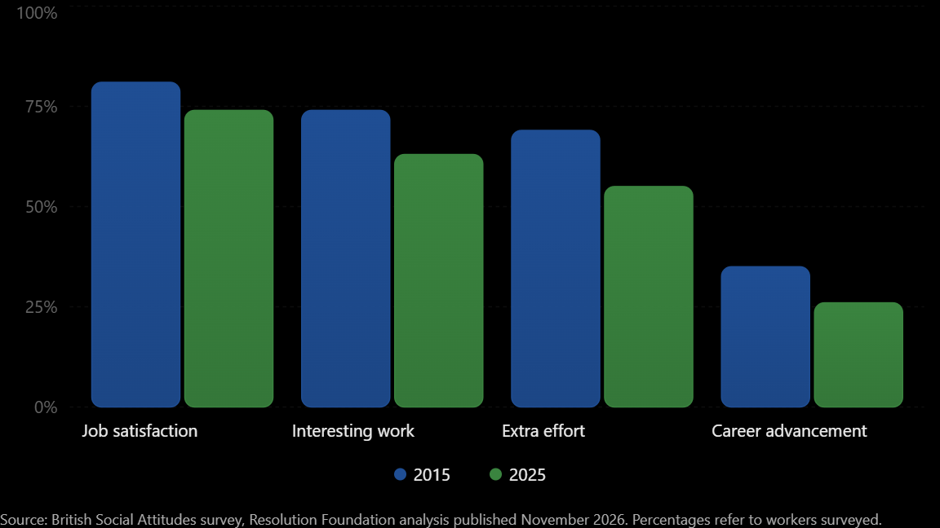
This substantial difference highlights the financial pressures affecting working households and the increasing importance employees place on receiving appropriate rewards for their work.
For many people, wages determine whether they can comfortably meet housing costs, household bills, transport expenses and other essential commitments.
Although statutory minimum wages have increased, employees earning above the legal minimum may still experience financial pressures if their salaries fail to keep pace with living costs.
Our recent article examining the UK minimum wage increase for April 2027 explains how statutory pay changes will affect millions of employees.
However, improving workplace satisfaction requires more than simply meeting minimum legal pay requirements.
Employers seeking to retain experienced staff may need to consider whether their remuneration arrangements remain competitive, transparent and appropriate for the responsibilities employees undertake.
Flexible working is now a major priority
The research also reveals that flexibility has become increasingly important to British employees.
In 2015, 46% of workers considered the ability to decide their own working hours important.
By 2025, that proportion had increased to 61%.
However, only 31% said their current jobs actually allowed them to determine their working hours.
This gap is significant.
Flexible working arrangements can help employees manage childcare, caring responsibilities, medical appointments, commuting and other personal commitments.
For some workers, flexibility may also reduce stress and improve their ability to remain in employment.
Under UK employment law, eligible employees have a statutory right to request flexible working from the first day of employment. Employers must consider requests in accordance with the applicable legal requirements, although employees do not have an automatic right to receive their preferred arrangement.
Further information is available through Acas guidance on flexible working.
Employers who can offer reasonable flexibility may find themselves better positioned to recruit and retain employees.
Are British workers becoming less willing to work?
The findings challenge the suggestion that Britain’s workforce is simply becoming less interested in employment.
According to the research, only 4% of working-age adults say they would ideally prefer not to work at all.
Among people under 30 who are not full-time students, the proportion expressing no desire to work is just 2%.
These figures suggest that the overwhelming majority of people continue to recognise the importance of employment.
The problem appears to be less about whether people want to work and more about the quality of the employment available.
Workers increasingly value financial security, reasonable working hours, independence and opportunities for development.
Where these expectations are not met, dissatisfaction may increase.
The research also found that 34% of workers expect to look for another job within the next 12 months, a figure broadly similar to 2015.
This suggests that interest in changing employment remains, even though actual job moves have declined.
Career progression is becoming another source of frustration
Opportunities for advancement are another area where the research identifies declining satisfaction.
Only 26% of workers report having opportunities to progress in their jobs, compared with 35% in 2015.
For employees seeking greater responsibility, additional qualifications or higher earnings, limited career development can become a significant source of frustration.
Employers may benefit from establishing clearer progression routes, improving access to training and ensuring employees understand how they can develop within an organisation.
Professional development is particularly important in industries experiencing technological change.
Workers in administration, manufacturing, financial services, healthcare and technology may increasingly need opportunities to develop new skills as employers introduce automation and artificial intelligence.
The latest findings suggest that employees want more than employment security alone.
They also want confidence that their careers can move forward.
What should workers do if they are unhappy at work?
Employees experiencing workplace dissatisfaction should begin by identifying the specific issues affecting their working lives.
Concerns may involve inadequate pay, excessive workloads, unreasonable working hours, limited progression opportunities or difficulties with management.
Where appropriate, workers should consider raising concerns informally with their employer before pursuing more formal procedures.
Employees should retain relevant correspondence and records, particularly where concerns involve contractual obligations, workplace safety, discrimination or potentially unlawful treatment.
For more serious matters, a formal grievance may be appropriate.
The Acas guidance on raising a grievance explains the procedures employers and employees should generally follow.
Workers can also explore our employment rights and workplace help pages for practical information about resolving workplace concerns.
It is important to distinguish between general dissatisfaction and situations where an employer may be breaching employment law.
Not every disappointing workplace experience constitutes unlawful treatment, but employees should not ignore potential violations of their statutory or contractual rights.
Where legal deadlines may apply, employees should seek appropriate advice promptly.
Employers face an important opportunity to rebuild workplace confidence
Although the findings are concerning, they also present an opportunity for British businesses.
Employers who understand what their employees value may be better positioned to improve retention, reduce workplace disputes and develop more productive organisations.
Several practical measures could make a meaningful difference.
These include reviewing pay arrangements, improving communication, considering reasonable flexibility, providing development opportunities and addressing workplace concerns before they escalate.
Employers should also recognise that different employees may have different priorities.
A parent balancing childcare responsibilities may value predictable working hours, while a younger employee may place greater importance on training and career progression.
An experienced employee approaching retirement may prioritise financial security and manageable responsibilities.
Understanding these differences can help organisations create more supportive workplaces.
What does the research mean for the UK economy?
The decline in job satisfaction could have implications extending beyond individual workplaces.
Employee engagement, productivity, recruitment and retention all influence business performance.
Where employees feel undervalued or lack opportunities to develop, organisations may struggle to maintain motivation and retain experienced staff.
However, the research identifies associations between changing workplace attitudes and wider economic challenges. It does not establish that declining satisfaction alone has caused Britain’s productivity difficulties.
The Office for National Statistics provides further information about employment trends, earnings and the wider labour market.
For policymakers and employers, the findings reinforce the importance of improving job quality alongside efforts to increase employment and economic growth.
A turning point for Britain’s workforce?
The latest British Social Attitudes findings send an important message about the changing expectations of UK employees.
Workers are not abandoning the idea of employment.
Instead, they increasingly expect their jobs to provide fair rewards, reasonable flexibility, security and meaningful opportunities for development.
The decline in satisfaction from 81% to 74% should concern employers who depend on experienced, motivated employees to maintain their operations.
For The Workers Union, the findings reinforce the importance of ensuring that working people have access to practical guidance, clear information and support when workplace difficulties arise.
A successful economy depends not simply on the number of people in employment, but also on the quality of the jobs available to them.
The message from Britain’s workforce is becoming clearer: workers want to work, but they increasingly expect employment to deliver fair pay, reasonable conditions and opportunities for a better future.