Thousands of UK workers could be entitled to back pay as HM Revenue and Customs (HMRC) calls on workers to scrutinise their wage slips this week. A significant number of UK employees may not be receiving the correct National Minimum Wage (NMW) or National Living Wage (NLW), leading to potential unclaimed earnings.
HMRC highlights wage underpayment risks
HMRC is urging workers to check whether they are being paid correctly, as thousands may unknowingly be earning below the legal minimum. Many employees fail to realise that unpaid work—such as training, prepping a shop before opening, staying late for additional tasks, or uniform deductions—can result in their actual pay falling beneath the minimum threshold.
Figures from the tax authority reveal that in the 2022–2023 tax year alone, over 108,000 UK workers were underpaid, collectively losing out on £13.7 million in wages. As a result, HMRC is reminding employees to be vigilant about their pay and take immediate action if they suspect they are being shortchanged.
Common causes of wage underpayment
Workers should be aware of key factors that could lead to unintentional underpayment, including:
- Unpaid working time – This includes extra hours spent on tasks like setting up a workplace before official working hours, completing mandatory training, or staying late to close.
- Deductions from wages – Items such as uniforms, tools, or other necessary work expenses can legally reduce take-home pay, but in some cases, they bring hourly wages below the legal minimum.
- Incorrect wage calculations – Some employers miscalculate wages, particularly for those on flexible or zero-hours contracts, apprenticeships, or seasonal work.
Marc Gill, Director of Individuals and Small Business Compliance at HMRC, stressed the importance of these checks:
“We want to make sure that all workers, including seasonal staff and students, are being paid what they are due, which is why we are reminding everyone to check their pay. People should check their hourly rate and look out for any deductions or unpaid working time. It could take them below the minimum wage.”
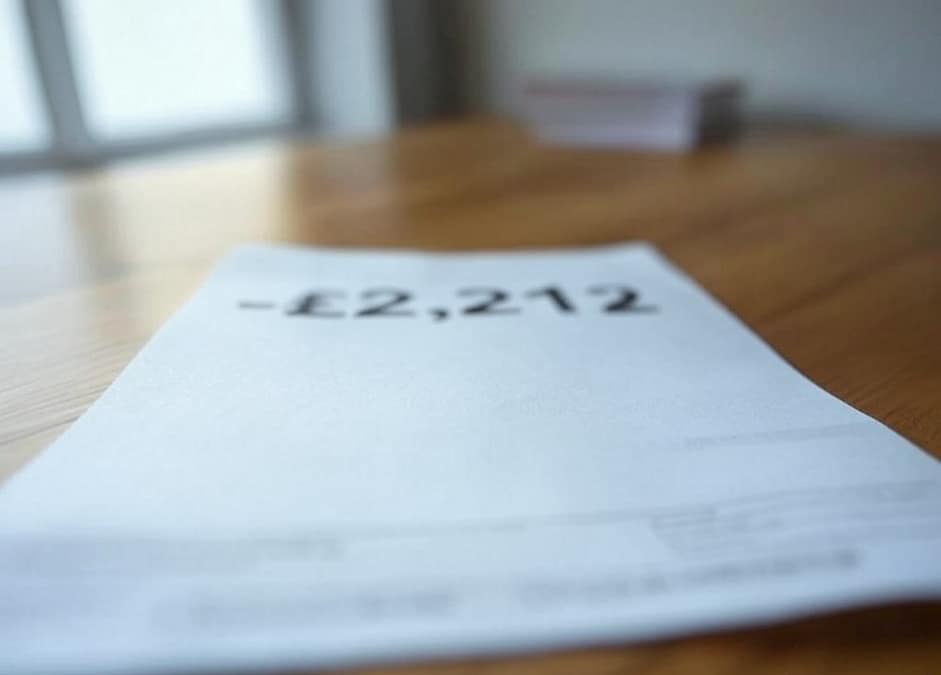
Are you owed £2,212? Check your Child Trust Fund
In addition to wage underpayments, HMRC is also reminding young people to check for unclaimed savings in Child Trust Funds (CTFs). These tax-free savings accounts were set up for children born between 1 September 2002 and 2 January 2011, with many accounts now holding an average balance of £2,212.
Eligible individuals who have turned 18 can access their funds by visiting GOV.UK and using the ‘Find a Child Trust Fund’ tool. Many young adults are unaware of these savings, which were automatically created when they were born, potentially leaving substantial sums unclaimed.
How to report underpaid wages
Workers who suspect they are being paid less than they should be can report the issue online via GOV.UK. The reporting process takes around 10 minutes and can be completed even after employment has ended.
For those unsure about their entitlements, HMRC provides online tools to verify whether their hourly rate aligns with the National Minimum Wage and National Living Wage.
Don’t ignore missing wages
Whether it’s an unclaimed Child Trust Fund or wages lost due to incorrect payments, the key message is clear—employees must check their pay. Those who have been underpaid should take action now to recover what is rightfully theirs.
The Workers Union says…
“At The Workers Union, we support fair pay for all employees. If you believe you are not being paid correctly, take the time to review your wage slip and challenge any discrepancies. Every worker deserves their full entitlement, and with billions of pounds lost to underpayment every year, ensuring fairness in wages is more crucial than ever.”