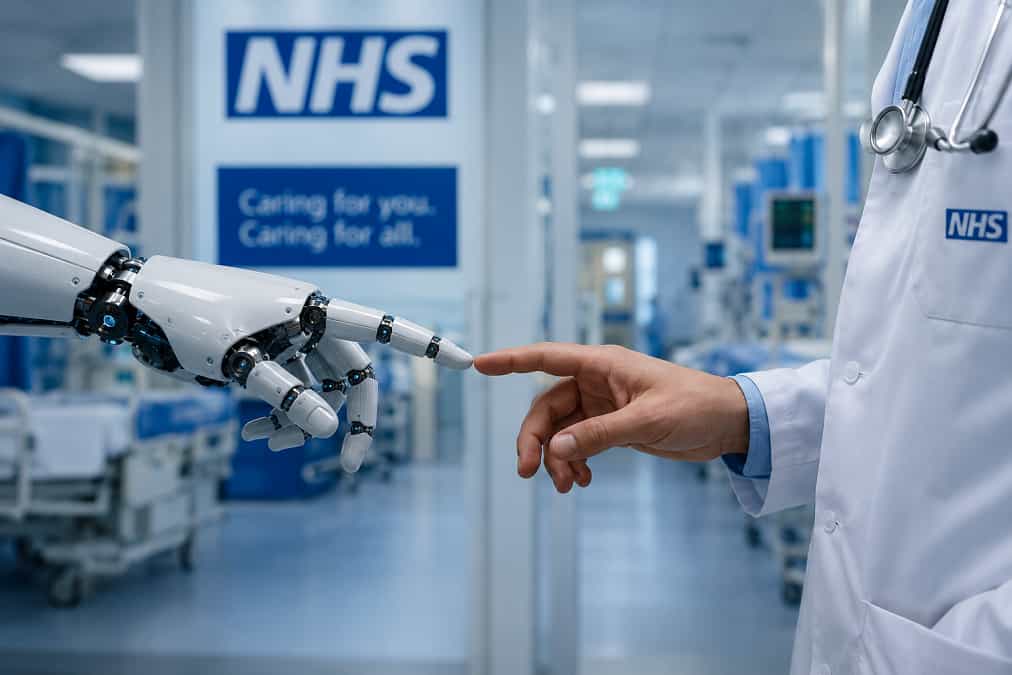
Fresh concerns have emerged across the healthcare sector following reports that the NHS could increasingly rely on artificial intelligence and technology as part of a major long-term workforce strategy.
The draft proposals, expected to be formally published next month, suggest the NHS may place greater emphasis on AI systems and digital tools while reducing previously planned growth in staffing numbers.
Healthcare professionals have responded cautiously, warning that while technology can support services, many frontline healthcare roles still rely heavily on human judgement, experience and patient interaction.
Roles including surgeons, nurses, podiatrists and community healthcare specialists are viewed by many professionals as difficult to replace through automation alone.
Healthcare workers warn staffing challenges remain severe
Medical professionals say the NHS is already operating under significant staffing pressure, with many workers continuing to experience high workloads, long shifts and increasing patient demand.
Dr Amit Kochhar said recent experiences across GP surgeries and A&E departments demonstrate how stretched services have become.
He also highlighted that the UK currently has fewer doctors per 1,000 people than several comparable European healthcare systems, including Germany.
Doctors have stressed that AI may assist with administrative processes, workflow management and some diagnostic support, but concerns remain around the idea of technology replacing direct patient-facing care.
Many healthcare workers argue that compassion, communication and clinical judgement remain essential parts of treatment that cannot easily be replicated through automated systems.
AI expected to support NHS modernisation
The NHS has been exploring increased use of technology for several years, including digital appointment systems, patient triage tools, medical record management and diagnostic assistance.
Supporters of greater AI integration believe technology could help reduce administrative pressures on frontline staff and improve efficiency in some areas of care delivery.
However, questions remain over how quickly large-scale digital transformation can realistically be implemented across the NHS, particularly given ongoing operational pressures and ageing infrastructure within parts of the healthcare system.
Experts have also warned that introducing new technologies at scale requires investment, staff training, oversight and strong safeguards to ensure patient safety remains protected.
Concerns over future workforce numbers
Reports suggest the revised strategy could result in significantly fewer NHS workers being employed by the mid-2030s than previously forecast under earlier workforce planning models.
The proposals are also expected to place increased emphasis on expanding neighbourhood and GP-led healthcare services.
At the same time, concerns have been raised about potential reductions in planned nursing workforce growth over the coming decade.
Even with the recent 2026 NHS pay rise, healthcare workers across the UK continue to voice concerns about recruitment pressures, retention challenges and burnout following years of sustained pressure on NHS services.
UK workers remain central to healthcare delivery
The debate surrounding AI in healthcare reflects a wider national discussion taking place across many industries as employers examine how emerging and established technologies may reshape workplaces in the future.
For UK workers employed within healthcare, many believe technology should be used to support staff rather than replace experienced professionals delivering frontline care.
The Workers Union believes innovation can play an important role in improving workplace efficiency, but healthcare services continue to depend on skilled workers whose knowledge, professionalism and patient interaction remain critical to safe care.
As the NHS prepares to outline its future workforce direction, many healthcare employees will be watching closely to understand how technology and staffing plans may affect the future of patient services and frontline healthcare jobs.