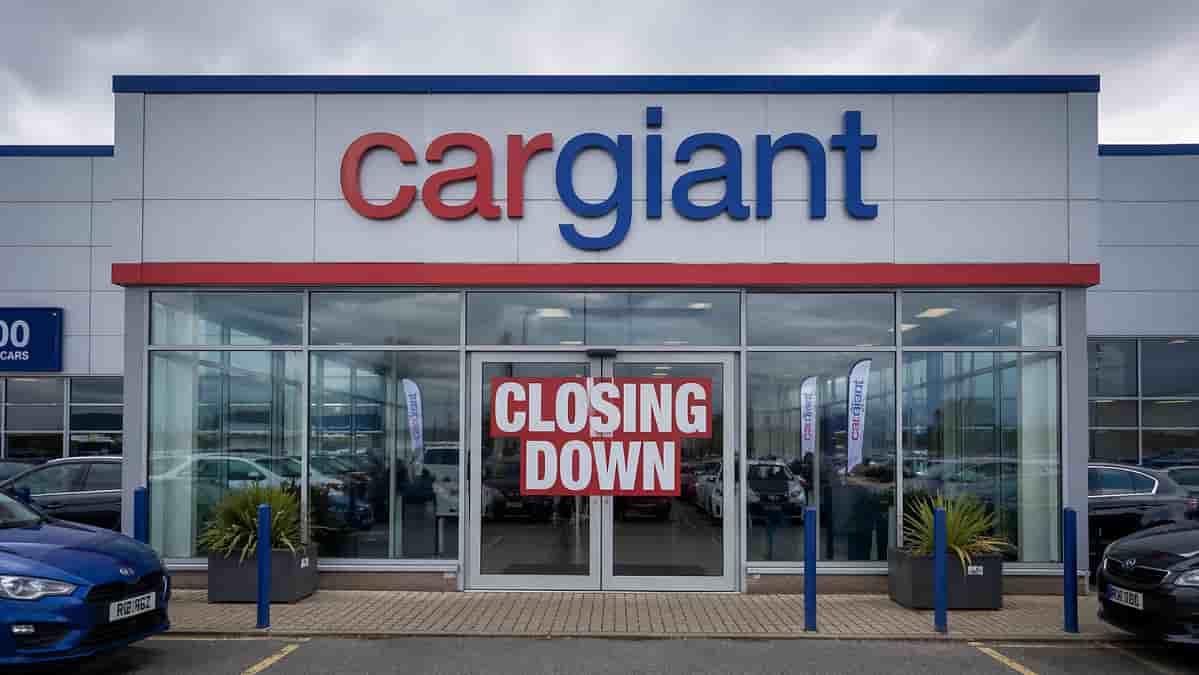
A major chapter in Britain’s motor trade is coming to an abrupt end today, as Cargiant prepares to cease retail operations, placing around 500 jobs at risk and sending ripples through the UK’s already fragile employment landscape.
For decades, the West London-based dealership has been a familiar name to motorists, operating from its vast Park Royal site and building a reputation as one of the country’s largest used car supermarkets. But after more than 50 years in business, the company has confirmed that it has been unable to secure a sustainable future.
Workers at the heart of the closure
Behind the headlines are hundreds of workers now facing an uncertain future. Staff had been engaged in a consultation process in recent weeks, as the company explored options to keep the business afloat. Those discussions have now concluded, with the outcome many had feared.
The company described the decision as being taken with “great sadness”, acknowledging the commitment and professionalism of its workforce during a challenging period. While some after-sales and support services will remain temporarily in place, the core retail operation will end, bringing significant job disruption.
For many employees, this is not just a job loss—it represents the loss of long-term careers built within a business that had become a cornerstone of the local economy.
A landmark business bows out
At its peak, Cargiant held more than 2,000 vehicles on site and sold over one million cars across its lifetime. Its 46-acre site in Park Royal—strategically positioned near key infrastructure including the Elizabeth Line and the planned HS2—is estimated to be worth around £100 million.
The scale of the operation reflects the vision of its owner, Geoff Warren, who built the dealership into a multibillion-pound enterprise. Yet even businesses of this size are not immune to changing market pressures.
What this means for UK workers
This closure is not happening in isolation. It comes at a time when economic uncertainty, rising costs, and shifts in consumer behaviour are placing increasing strain on UK employers.
For workers, the implications are immediate:
- Job losses in a competitive labour market
- Potential delays in securing new employment
- Financial pressure from sudden loss of income
- Emotional and mental strain linked to uncertainty
The Workers Union continues to emphasise the importance of acting quickly when faced with workplace change. Understanding your rights, reviewing your employment terms, and seeking guidance early can make a significant difference in how situations like this unfold.
A changing industry landscape
The UK used car market has been undergoing significant transformation. Digital platforms, changing buyer habits, and economic pressures have reshaped how vehicles are bought and sold. Large physical dealerships, once dominant, are increasingly facing new challenges in maintaining viability.
Cargiant’s closure signals more than the loss of a single business—it reflects a broader shift in how industries operate and how workers are impacted by those changes.
What affected workers should consider next
For those directly impacted, the coming weeks will be critical. Practical steps include:
- Reviewing redundancy terms and entitlements
- Checking notice periods and final pay arrangements
- Exploring new opportunities early
- Seeking structured guidance to navigate next steps
The Workers Union remains focused on providing immediate, clear support to workers navigating situations like this, ensuring individuals are equipped with the information they need at the moment it matters most.
The wider picture
As the UK economy continues to adjust to ongoing pressures, closures like this raise wider questions about job security and long-term stability across sectors.
For many, today marks the end of one chapter. What comes next will depend on how quickly support, information, and opportunities can align.