A major shift in airline scheduling is beginning to ripple through the travel industry, with Aer Lingus cutting more than 500 flights in the coming weeks. While headlines focus on cancellations and delays, the deeper story is unfolding behind the scenes — and it is one that directly impacts both passengers and the workers who keep the system moving.
At the centre of the disruption is a sharp rise in fuel costs, driven by escalating tensions in the Middle East involving the United States, Israel, and Iran. Airlines, already operating on tight margins, are now being forced into rapid operational decisions. For workers across aviation — from ground crews to cabin staff — the consequences are immediate and uncertain.
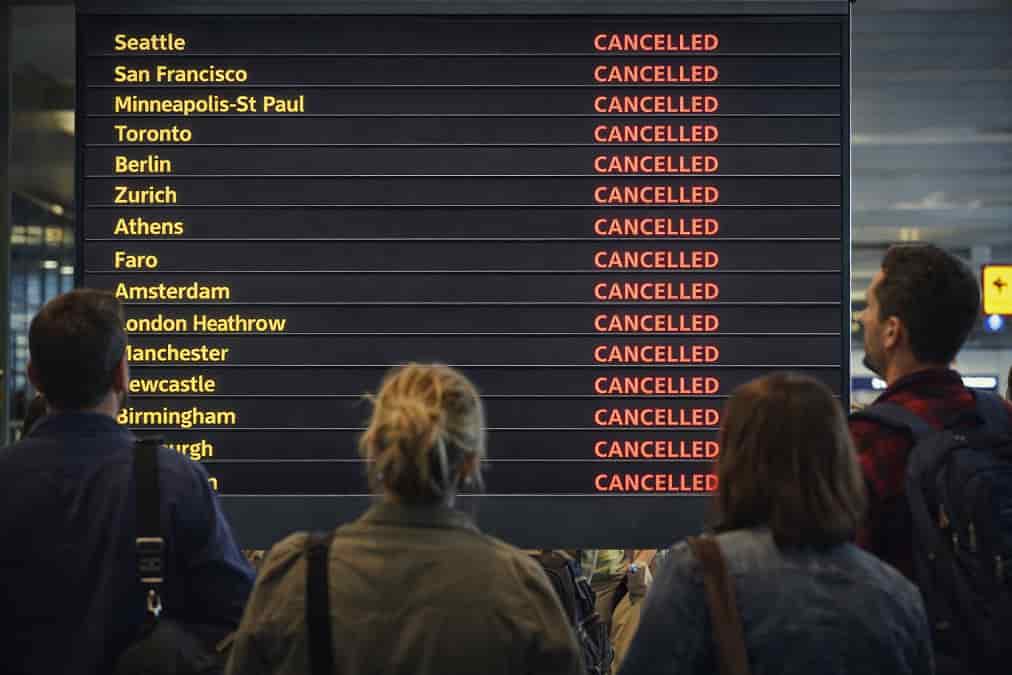
For passengers, the impact is visible. Flights to major international destinations such as Seattle, San Francisco, Minneapolis-St Paul and Toronto are being reduced or removed entirely. Closer to home, routes linking Dublin to European cities like Berlin, Zurich, Athens, Faro and Amsterdam are also being affected. Key UK connections, including services to London Heathrow Airport, Manchester, Newcastle, Birmingham and Edinburgh, are seeing cancellations, with travellers being rebooked where possible.
But for workers, the story runs deeper.
Reduced flight schedules often translate into fewer working hours, altered shift patterns, and increased uncertainty. Ground staff and baggage handlers may face reduced demand, while cabin crews are left navigating unpredictable rosters. In some cases, workers are expected to absorb the operational strain — dealing with frustrated passengers, last-minute changes, and increased workloads on remaining flights.
Airline decisions such as these are rarely isolated. Across the sector, rising fuel prices are pushing companies to increase fares, introduce or expand fuel surcharges, and scale back services. For workers, this creates a difficult balancing act: maintaining service standards while dealing with reduced resources and growing pressure from both employers and passengers.
The disruption is not limited to airline schedules. In Spain, the temporary closure of Santiago-Rosalía de Castro Airport between April 23 and May 27 adds another layer of complexity. Runway resurfacing work will halt all flights for more than a month, affecting around 30 weekly connections between the UK and northwest Spain.
This closure will impact thousands of British travellers, many of whom will need to reroute through alternative airports such as A Coruña or Vigo. For workers in the travel and tourism sector — including airport staff, hospitality workers, and transport operators — the sudden shift in passenger flow can create both gaps and surges in demand.
For UK-based workers, particularly those relying on stable travel operations for employment, these developments highlight a growing vulnerability in the system. Aviation is highly sensitive to global events, and when external pressures hit — whether geopolitical or economic — it is often frontline workers who feel the effects first.
There is also a wider economic implication. Disruptions to travel affect not only airlines but entire supply chains. From airport retail staff to logistics teams and tourism workers, fewer flights can mean fewer hours, reduced income, and increased uncertainty. At the same time, rising ticket prices may discourage travel altogether, further tightening the pressure on the sector.
For passengers, the advice remains consistent: check flight status regularly, stay in contact with airlines, and be prepared for changes. For workers, however, the situation is less within their control.
This is where awareness becomes critical. Understanding rights around working hours, shift changes, and workplace expectations is essential during periods of disruption. Employers still carry responsibilities, even in challenging conditions, and workers should not be left to absorb the full impact of operational decisions.
At The Workers Union, the focus remains firmly on ensuring UK workers are informed, supported, and able to respond to changes in their working environment. As the travel industry continues to adjust to global pressures, the need for clear guidance and immediate support has never been more important.
This situation is still evolving. But one thing is clear: when global events disrupt industries, it is workers and passengers alike who are left navigating the consequences in real time.