The recent dip in job vacancies and the surge in job search activity highlight the challenges facing the workforce, not only in the UK but globally. Our publication from September 23, 2021, highlighted the Workers Union’s call for prioritising mental health at work, underlining that we recognised this concern early on.
In the UK, job vacancies have seen a consistent decline over the past year, causing an imbalance in the job market. Recent data from LinkedIn reveals a 20.9% decrease in US hirings and a 22.5% drop in the UK in just one year. While employers are hiring less, workers are applying more, evidenced by a 150% surge in UK job applications and a 35% increase in applications per candidate in the US in July 2023.
Some workers have found contentment in their current roles after navigating numerous changes in recent years. However, for others, the hiring slowdown and economic unpredictability mean they’re reluctantly stuck in undesired jobs. Nela Richardson, chief economist at HR firm ADP, likens this to a game of musical chairs where there are fewer chairs than players.
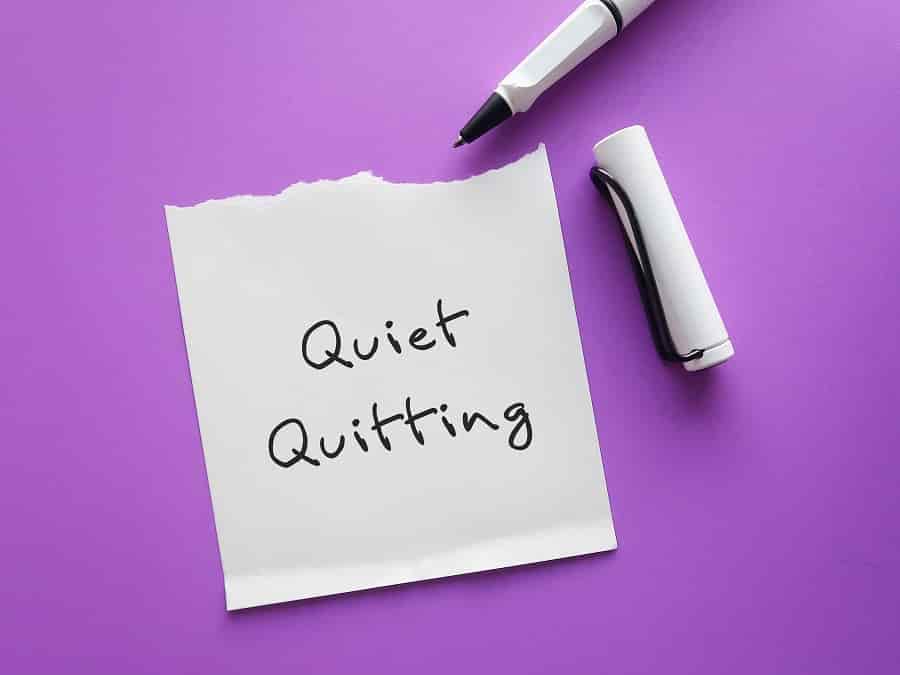
Indeed, many workers are becoming disengaged. They once had the flexibility to switch roles or industries to find satisfaction. But current conditions have left them confined, leading to the phenomenon of ‘quiet quitting’. This is when employees, though present, are mentally checked out. June 2023 Gallup data suggests 59% of global workers admit to such disengagement.
Multiple factors fuel this. Stagnant wages, coupled with rising living costs, have left many displeased. Additionally, many employees feel trapped in jobs they’re apathetic about, leading to frustration. As Ngaire Moyes, LinkedIn’s UK country manager, notes, many remain in jobs not out of passion but due to a lack of alternatives.
The onus also falls on companies. Some might believe that the labour market’s current dynamics favour them, leading to complacency in engaging their workforce. Jim Harter of Gallup emphasizes that this ‘quiet quitting’ affects employees’ mental health and hinders career progress. It’s also detrimental for businesses as they face the repercussions of reduced productivity.
To combat this, businesses should invest in employee engagement. As Richardson mentions, during the pandemic’s hiring crisis, companies actively supported employees with well-being packages tailored for remote working and emphasizing mental health. However, the easing of talent shortages has seen some businesses retract these offerings, forgetting that the company culture remains crucial.
The Workers Union Says…
“Economic hardships require employers to understand and cater to their employees’ broader circumstances. We believe that in these testing times, creating the right organisational culture can dictate employees’ discretionary effort. Unless proactive steps are taken, many employees, despite their displeasure, might be compelled to remain in their current roles and resort to ‘quiet quitting’.”