
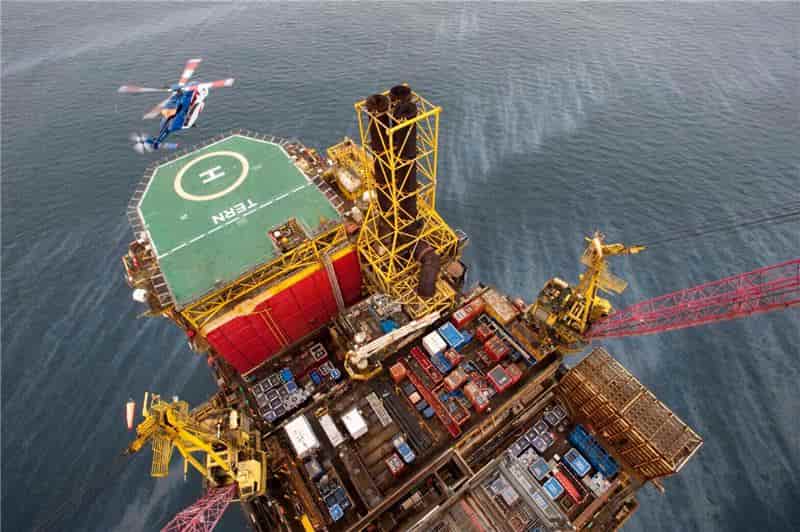
Severe weather in the North Sea is forcing offshore energy operators to reduce the number of workers on oil and gas installations, as prolonged storms make it increasingly difficult to deliver essential supplies. For UK workers stationed offshore, the immediate priority is safety, but the situation also highlights the fragile logistics that underpin some of the country’s most demanding jobs. One operator, Ithaca Energy, said it has begun scaling back the number of people offshore, keeping only essential personnel in place.
The company has not specified which installations are affected, how many workers have been moved onshore, or when full operations are expected to resume.
A number of operators have confirmed that staffing levels are being temporarily reduced after weeks of strong winds and driving rain disrupted helicopter flights and supply vessel movements. The impact is being felt across several assets, with companies taking precautionary steps to ensure essential services can continue safely while conditions remain challenging.
In a statement, Ithaca said the decision followed an “extended period of significantly challenging weather conditions across the region”.
“The severe weather has affected our ability to transport certain supplies to some of our assets,” the company said. “With the safety and wellbeing of our offshore workforce our highest priority, we have decided to begin to reduce our personnel offshore to essential staff only until conditions improve and supply routes can operate reliably.”
The company added that it is working closely with logistics partners to restore normal supply levels as soon as weather conditions allow.
Another major operator, TotalEnergies, confirmed it has also been affected by the prolonged spell of severe weather. The company said it has reduced the number of workers on its Elgin platform to help manage limited water supplies used for cooking and cleaning.
TotalEnergies said activity schedules have been rearranged to reflect the current conditions, with staffing levels adjusted to ensure those remaining offshore can be supported safely until supply routes become more reliable.
Weather pressures and offshore reality
The North Sea is no stranger to harsh weather conditions, particularly during winter months, but the length and persistence of the recent weather has tested even well-established supply chains. Offshore installations rely on a steady flow of deliveries, from food and water to specialist equipment and consumables, all of which must be transported by sea or air.
When weather windows close for extended periods, operators are left with limited options. Reducing non-essential staffing is often the most pragmatic short-term response, helping to conserve supplies while lowering risks to workers who might otherwise face extended stays offshore without guaranteed support.
For UK workers employed offshore, these decisions can be unsettling. Rotations may be delayed or brought forward at short notice, and uncertainty around return dates can place additional pressure on family life and finances. However, operators are keen to stress that the measures are precautionary rather than a sign of wider operational difficulties.
What this means for UK workers
For those affected, the immediate focus is on health and safety and also clear communication. Employers have a responsibility to ensure workers understand why changes are being made, how long they are expected to last, and what support is available during periods of disruption.
The Workers Union continues to emphasise the importance of transparent updates for UK workers in safety-critical roles, particularly when external factors such as weather place added strain on already demanding working environments. Offshore work remains essential to the UK energy mix, and those who carry it out deserve clarity and consistency when conditions force rapid operational changes.
While there is currently no indication of long-term staffing reductions linked to these weather-related measures, the situation underlines the dependence of offshore work on factors beyond anyone’s control. As climate patterns become more unpredictable, resilience in offshore logistics and workforce planning is likely to remain firmly under the spotlight.
For now, operators say they are monitoring conditions closely and will begin restoring normal staffing levels as soon as it is safe to do so. For thousands of UK workers who make their living offshore, that moment cannot come soon enough.