Manual handling injuries are continuing to affect hundreds of thousands of UK workers every year, with experts warning that growing workplace pressures, staff shortages and unrealistic productivity targets are contributing to a hidden crisis across multiple industries.
From warehouse workers and construction workers to supermarkets, hospitals and delivery networks, many workers are facing physically demanding conditions on a daily basis. According to figures referenced by the Health and Safety Executive (HSE), musculoskeletal disorders remain one of the leading causes of workplace injury in Britain in 2026, with lifting, carrying, pushing and pulling among the most common causes of long-term physical harm.
For many UK workers, manual handling is simply viewed as “part of the job”. However, injuries linked to repetitive strain, unsafe lifting practices, inadequate staffing levels and poor workplace planning can have serious and lasting consequences.
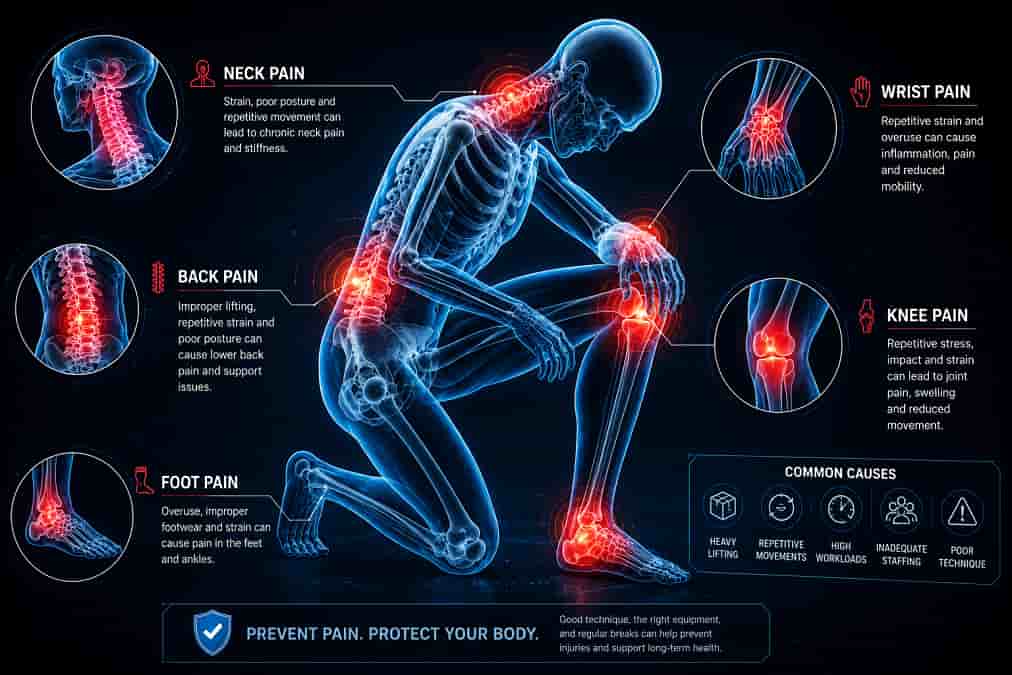
Back injuries remain particularly common, ranging from chronic lower back pain and slipped discs to reduced mobility and nerve damage. In some cases, workers are unable to return to the same type of employment after suffering a workplace injury.
The issue stretches far beyond traditionally heavy industries. Retail staff moving stock, healthcare workers assisting patients, hospitality workers carrying supplies and delivery drivers working under strict time pressures can all face significant physical strain during the course of their duties.
Jonathan Morgan, spokesperson for The Workers Union, said many workers continue to suffer in silence because they fear speaking up could affect their position at work.
“Far too many UK workers accept pain and discomfort as simply part of earning a living. Workers should never feel pressured into risking their health or safety at work because of unrealistic workloads, poor staffing levels or inadequate training.”
He added:
“Manual handling injuries can have a devastating impact on a worker’s future, especially when injuries worsen over time. Many people initially try to work through the pain before eventually realising the damage is more serious than they first believed.”
Under the Manual Handling Operations Regulations 1992, employers have legal responsibilities to reduce workplace risks where reasonably practicable. This includes carrying out suitable risk assessments, providing proper training, maintaining safe staffing levels and introducing equipment or lifting aids where appropriate.
However, operational pressures across the UK economy continue to create challenges for both employers and workers alike.
The rapid growth of online retail and distribution centres has intensified physical demands in warehousing and logistics environments, particularly during peak periods. Meanwhile, healthcare settings continue to face ongoing staffing shortages while managing increasing patient demand.
Workers may also feel reluctant to report injuries due to concerns about overtime, progression opportunities or job security. In some workplaces, unsafe lifting practices can gradually become normalised over time.
“Employers who invest in safer working practices are not only protecting workers, they are also protecting their own businesses from long-term absence, staff turnover and reduced morale. Prevention must always remain the priority.”
He continued:
“UK workers should understand that they have the right to raise genuine health and safety concerns. No worker should feel they must simply ‘get on with it’ if workplace practices are placing their wellbeing at risk.”
The growing conversation surrounding workplace wellbeing and employee welfare has also increased awareness among workers about the importance of health and safety protections. Social media, online guidance and greater public discussion around working conditions are encouraging more workers to question unsafe practices and seek support where necessary.
The Workers Union is encouraging workers across all industries to remain aware of manual handling risks with instant help and guidance to ensure concerns are properly reported through the appropriate workplace channels where unsafe practices are identified.
As operational pressures continue to grow across Britain’s workplaces, many experts believe manual handling workplace injuries will remain a major issue unless businesses continue investing in safer systems of work, better training and realistic workloads designed to protect long-term worker wellbeing.
Manual handling injuries at work Q&A
What is manual handling at work?
Manual handling refers to lifting, lowering, carrying, pushing, pulling or moving items as part of your job. It can include moving stock in a warehouse, carrying equipment on a construction site, lifting deliveries, moving patients in healthcare settings or repetitive physical tasks in retail and hospitality.
Which UK workers are most at risk of manual handling injuries?
Workers in warehousing, logistics, construction, healthcare, manufacturing, retail and delivery services are often at higher risk due to the physical demands of their roles. However, manual handling injuries can affect workers in almost any workplace.
What are the most common manual handling injuries?
Common injuries include:
- Back pain
- Slipped discs
- Muscle strains
- Shoulder injuries
- Neck pain
- Repetitive strain injuries
- Joint damage
- Nerve problems
Many injuries develop gradually over time rather than from a single accident.
What causes manual handling injuries at work?
Manual handling injuries can be caused by:
- Poor lifting techniques
- Repetitive physical tasks
- Heavy workloads
- Inadequate staffing
- Lack of training
- Unsafe working environments
- Poorly designed workstations
- Pressure to work faster
- Lack of lifting equipment
Do employers have responsibilities for manual handling safety?
Yes. Employers in the UK have legal duties under the Manual Handling Operations Regulations 1992 to reduce risks where reasonably practicable. This includes carrying out risk assessments, providing training and introducing safer systems of work.
What should employers provide to reduce manual handling risks?
Employers should consider:
- Proper manual handling training
- Suitable lifting aids or equipment
- Safe staffing levels
- Risk assessments
- Regular workplace reviews
- Clear reporting procedures
- Reasonable workloads
- Appropriate rest breaks
Can repetitive lifting cause long-term injuries?
Yes. Repetitive lifting and carrying over long periods can lead to chronic pain and long-term musculoskeletal disorders. Some workers continue working through pain until the injury becomes more severe.
What should I do if I am injured at work from lifting or carrying?
Workers should:
- Report the injury to their employer
- Seek medical advice
- Ensure the incident is recorded
- Keep records of symptoms and treatment
- Raise ongoing safety concerns where appropriate
Early reporting is important, particularly where symptoms worsen gradually over time.
Can office workers suffer manual handling injuries?
Yes. Office workers can still suffer injuries when moving equipment, stock, archive boxes or carrying out repetitive physical tasks without proper support or training.
Why are manual handling injuries increasing in some industries?
Growing workloads, staff shortages, productivity pressures and expanding logistics operations are increasing physical demands on many UK workers. In some workplaces, unsafe practices can become normalised over time.
What industries have seen increased manual handling pressures?
Industries facing increased pressures include:
- Warehousing
- Distribution
- Construction
- Healthcare
- Retail
- Delivery services
- Manufacturing
The growth of online shopping and same-day delivery expectations has added further strain in logistics environments.
What are the signs of a manual handling injury?
Warning signs can include:
- Persistent back pain
- Muscle stiffness
- Tingling or numbness
- Reduced movement
- Joint pain
- Pain when lifting
- Ongoing discomfort after shifts
Workers should not ignore symptoms that continue or worsen.
What does The Workers Union say about manual handling safety?
Jonathan Morgan, spokesperson for The Workers Union, said:
“Workers should never feel forced to accept unsafe physical conditions as simply part of the job. Workplace safety must remain a priority across every industry.”
He added:
“Manual handling injuries can have long-lasting effects on a worker’s health, finances and future employment. Raising concerns early and improving workplace safety standards benefits everybody.”
Why is awareness of manual handling injuries growing?
More UK workers are becoming aware of workplace health and safety issues through online guidance, social media discussions and wider conversations around worker wellbeing. Many workers are now more willing to question unsafe workplace practices.
Can manual handling injuries affect mental wellbeing?
Yes. Long-term pain, reduced mobility, time away from work and financial uncertainty can all affect confidence, stress levels and overall mental wellbeing.
How can workplaces improve manual handling safety?
Businesses can improve safety by:
- Reviewing workloads regularly
- Updating risk assessments
- Providing refresher training
- Encouraging workers to report concerns
- Investing in safer equipment
- Reducing unsafe productivity pressures
- Creating a stronger safety culture
Why is prevention important?
Preventing injuries protects workers from long-term harm while also helping businesses reduce staff absence, improve morale and maintain safer working environments for everyone.